


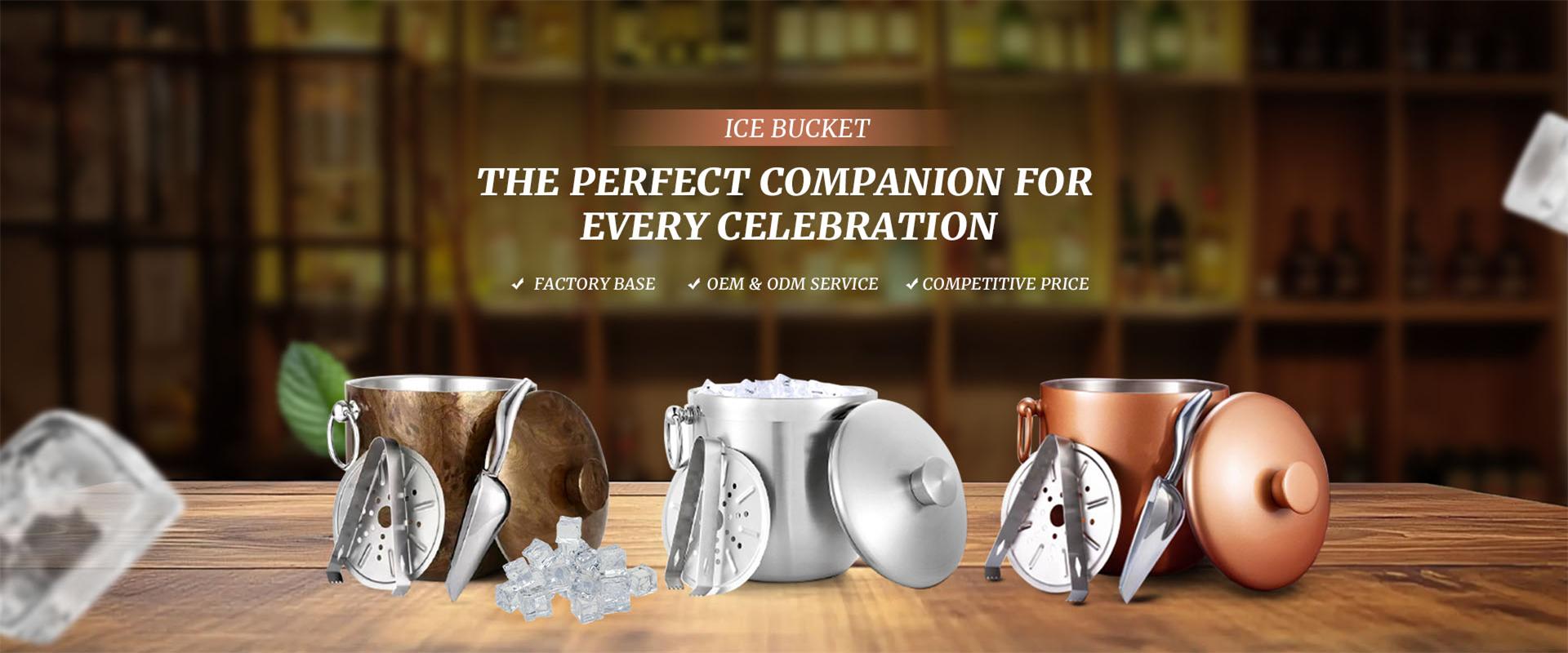
What Is The Ice Bucket Challenge?
The Ice Bucket Challenge is widely known as a social media activity where people pour ice water over themselves and share the moment online. While it originally focused on raising awareness for ALS, it also created a strong connection between a simple action and a highly visual experience. That visual element is what made the challenge spread so quickly and remain memorable even years later.
From a product perspective, the challenge highlights something important. The container used to hold and pour the ice water is not just a tool. It becomes part of the experience. The shape, size, insulation, and ease of handling all influence how the action looks and feels. This is where the role of an ice bucket becomes more than basic utility.
How The Ice Bucket Became Central To The Experience
The Ice Bucket Challenge worked because it turned a basic object into a visible part of a shared activity. The bucket was not hidden in the background. It was lifted, held, and used in a single clear motion that defined the entire moment. That made the bucket itself part of the story.
In many cases, the quality of the bucket affected the experience. A poorly designed container could spill unevenly, feel unstable, or fail to hold enough ice. A well-designed ice bucket, on the other hand, allowed a cleaner pour, better grip, and more controlled handling. These details may seem small, but they directly affect how the action is performed and how it appears on camera.
What Defines A Functional Ice Bucket
An ice bucket is designed to store and serve ice while maintaining temperature and ease of use. In everyday use, it is commonly seen in kitchens, bars, hotels, and dining settings. In more interactive scenarios like the Ice Bucket Challenge, its role becomes more dynamic. It must be easy to carry, comfortable to hold, and reliable when filled with ice and water.
A well-structured ice bucket usually includes a stable body, a smooth interior, and a shape that supports controlled pouring. Insulation is another important factor. It helps slow down melting, which is useful not only for serving drinks but also for maintaining the cold temperature needed in activities involving ice water.
Why Material And Structure Matter
Material plays a key role in performance. Stainless steel is often preferred because it is durable, easy to clean, and suitable for repeated use in wet conditions. It also maintains a clean appearance even after frequent handling. In comparison, lighter materials may be easier to carry but may not offer the same stability or long-term reliability.
Structure also affects usability. A well-balanced design allows the bucket to sit firmly on a surface and remain steady when lifted. The opening should be wide enough for easy filling and pouring, while the edge should support a smooth flow of water without splashing unpredictably. These elements contribute to both everyday use and more dynamic applications.
How Ice Buckets Fit Modern Lifestyle Use
Beyond the original challenge, ice buckets continue to play an important role in modern living. They are used in home gatherings, outdoor events, hotel rooms, and bar service. The function remains simple, but the expectation has evolved. Users now look for products that combine performance with appearance.
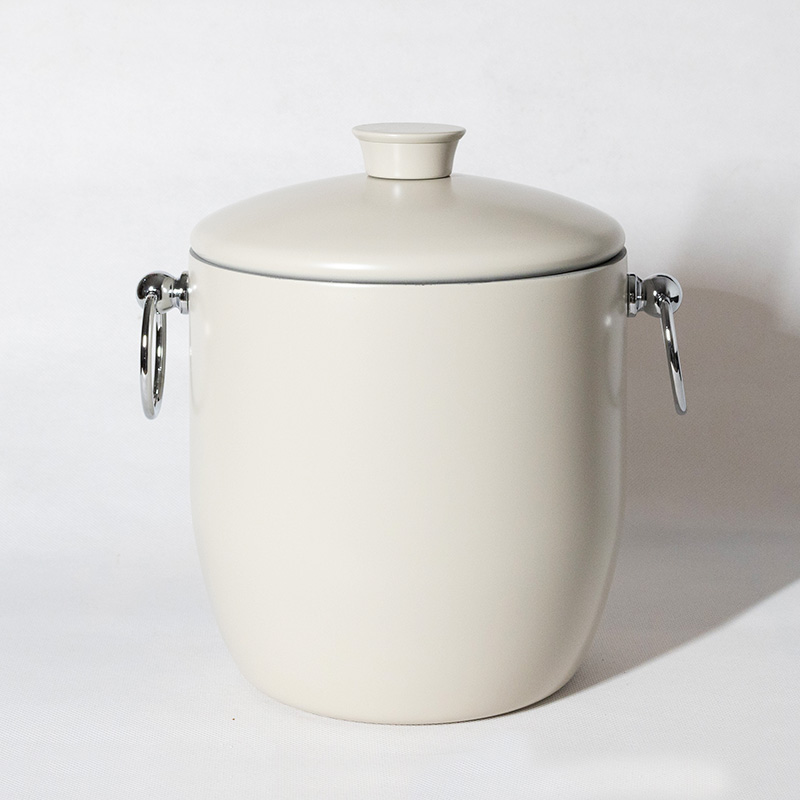
An Elegant Thermal Ice Bucket fits well into this trend. It is not only used for holding ice but also for enhancing presentation. Whether placed on a dining table or used during an event, it becomes part of the overall setting. The combination of insulation, clean design, and practical usability makes it suitable for both personal and commercial use.
What Buyers Should Consider
When selecting an ice bucket, buyers often focus on durability, insulation performance, and design. A product that holds temperature well reduces the need for frequent refilling. A stable structure improves handling and reduces spills. A refined appearance increases its value in hospitality and retail environments.
Customization is also an important factor for many buyers. Options such as size, finish, and branding can help the product fit different market needs. In retail and promotional contexts, a well-designed ice bucket can serve both as a functional item and as a product that reflects brand identity.
Why Ice Buckets Remain A Relevant Product Category
The Ice Bucket Challenge may have been a specific moment in time, but it reinforced the value of simple, functional products that are easy to use and visually engaging. An ice bucket fits that category well. It has a clear purpose, a wide range of applications, and a strong presence in both household and commercial environments.
Unlike trend-based products, an ice bucket remains relevant because it supports everyday activities. From serving drinks to enhancing events, it continues to meet practical needs while offering opportunities for design and customization.
Conclusion
The Ice Bucket Challenge showed how a simple object can become part of a global experience. While the campaign itself focused on awareness and participation, it also highlighted the importance of design, usability, and presentation in everyday products. An ice bucket is more than a container. It is a tool that supports both function and experience.
If you are looking for an ice bucket that combines durability, insulation, and refined design for retail, hospitality, or custom projects, feel free to contact us. We can help you explore product details and customization options to find a solution that fits your market and usage needs more effectively.
Previous: How To Froth Milk?
Next: What Is A Potato Ricer?