



How To Froth Milk?
Milk frothing looks simple, but getting smooth and even foam takes more than just heating milk and stirring it quickly. Good frothed milk should feel light, creamy, and stable enough to blend naturally into coffee without turning rough, dry, or full of large bubbles. That is why frothing milk is not only about adding air. It is about controlling texture, temperature, and pouring rhythm at the same time.
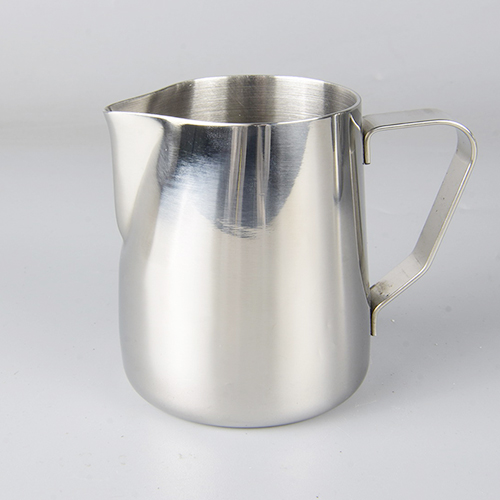
For home users, frothing improves everyday coffee drinks and makes the final cup look more polished. For commercial users, it affects consistency, speed, and presentation. A better milk texture usually leads to a better cappuccino, latte, or flat white. That is also why the Milk Pitcher matters. The right pitcher helps control heating, supports smoother swirling, and makes pouring more precise from start to finish.
Why Milk Texture Matters So Much
Milk foam is not just decoration on top of coffee. It changes how the drink feels in the mouth and how the milk combines with espresso. When milk is properly frothed, the foam becomes fine and glossy instead of stiff and dry. That softer texture makes the drink feel smoother and more balanced.
Poorly frothed milk usually shows problems quickly. Large bubbles sit on the surface, the foam separates too fast, or the milk becomes too hot and loses its clean texture. Once that happens, the drink may still be usable, but it no longer looks or tastes refined. This is why milk frothing is treated as a basic but important skill in coffee preparation.
Choosing The Right Milk For Frothing
The milk itself affects the result. Fresh milk usually froths more easily because the proteins and fats respond better during heating and aeration. Cold milk is also easier to control at the start because it gives more time to build texture before the temperature rises too far.
Different milk types create different foam structures. Some produce a lighter foam, while others create a denser and creamier result. What matters most is consistency. When the same milk type is used regularly, it becomes easier to repeat the same frothing process and reach a more stable texture each time.
Why The Pitcher Makes A Difference
Many people focus only on the steam wand or frothing tool, but the pitcher has a direct effect on milk handling. A well-shaped milk pitcher supports better movement during frothing and gives the user more control during pouring. If the body shape feels awkward or the spout does not guide the flow cleanly, even well-frothed milk becomes harder to use.
That is why stainless steel frothing pitchers remain a standard choice. They are stable during heating, easy to clean, and practical for repeated daily use. A smoother interior also makes milk residue easier to remove, which is especially important in busy coffee settings where hygiene and speed both matter.
How To Froth Milk With A Steam Wand
The most common professional method is using a steam wand. Start by pouring cold milk into the pitcher, leaving enough space for the milk to expand. The pitcher should not be filled too high, because frothing requires room for both movement and volume growth.
Place the steam wand tip just below the surface of the milk. At the beginning, the goal is to introduce a controlled amount of air. This stage creates the base foam. Once the milk starts expanding, the wand should move slightly deeper so the milk can continue heating while swirling inside the pitcher. That swirling action is important because it helps break down larger bubbles and create a finer texture.
When the milk reaches the right temperature, stop steaming and tap the pitcher lightly if needed. Then swirl the milk before pouring. This helps the foam and liquid milk stay integrated instead of separating into layers.
How To Froth Milk Without A Coffee Machine
Not everyone has a steam wand, but milk can still be frothed in other ways. A handheld frother, manual whisk, French Press, or tightly sealed container can all create foam. The result may not be identical to steamed milk from a coffee machine, but the process still follows the same principle. Air must be added in a controlled way, and the milk must stay smooth enough to pour.
The main difference is that heating and frothing are often done in separate steps. The milk is usually warmed first, then aerated. In this case, the user needs to pay more attention to texture because it is easier to create large bubbles when the process is less controlled. A good pitcher still helps here because it gives a stable container for heating, mixing, and final pouring.
Common Mistakes That Ruin Milk Foam
One of the most common mistakes is overheating the milk. Once milk gets too hot, the texture becomes thinner and less stable. The foam may look acceptable for a moment, but it usually loses quality quickly. Another mistake is adding too much air too early. That creates big, dry bubbles instead of a fine and creamy texture.
Poor pitcher control is another issue. If the milk is not swirled properly after frothing, the foam and liquid start separating before the pour. This leads to an uneven result in the cup. In many cases, the problem is not the milk itself. It is the lack of control during heating and finishing.
How To Know When Milk Is Properly Frothed
Properly frothed milk should look smooth and glossy rather than rough or airy. The surface should appear unified, with no visible layer of stiff foam sitting apart from the liquid milk. When the pitcher is swirled, the milk should move as one consistent texture.
During pouring, well-frothed milk flows steadily and blends into coffee more naturally. This is especially important for latte art, but even without latte art, texture still matters. A cleaner flow gives a better-looking drink and a more balanced drinking experience.
Why Product Design Matters In Real Use
Milk frothing is a practical task repeated again and again in coffee settings, so small design details matter more than they seem. A properly shaped spout helps guide the milk more accurately. A balanced handle makes the pitcher easier to hold during steaming and pouring. A reasonable capacity makes workflow smoother because the user does not need to transfer milk unnecessarily during preparation.
This is also why milk pitchers are not just simple containers. In real use, they are working tools. Buyers who choose products for retail, coffee shops, training spaces, or custom kitchenware projects usually pay close attention to material, pouring control, ease of cleaning, and capacity range. These details affect both product usability and market appeal.
How To Keep A Milk Pitcher Clean And Ready
Milk residue should not sit too long after use. The pitcher should be rinsed and cleaned soon after frothing so the inside stays fresh and easier to maintain. A smooth interior helps reduce buildup and supports better hygiene over time. This is especially important in commercial environments where the pitcher may be used repeatedly throughout the day.
Regular cleaning also protects the product appearance. A well-maintained stainless steel pitcher keeps its clean look longer and feels more reliable in both home and professional coffee preparation.
Why Milk Frother Pitchers Have Strong Product Value
The demand for milk frother pitchers stays steady because they meet a clear and repeated need. Coffee preparation continues to grow in homes, cafés, and training environments, and users want tools that are simple to understand but reliable in actual use. A pitcher with stable structure, food-safe material, and controlled pouring design fits naturally into that demand.
This also makes the category attractive for wholesale and custom supply. Buyers are not choosing a trend product. They are choosing a functional coffee accessory that supports repeat use, practical performance, and a broad range of end users.
Conclusion
Learning how to froth milk is really about learning control. Good milk foam depends on the right milk, the right temperature, the right amount of air, and a pitcher that supports smooth handling from start to finish. Once those parts work together, the milk becomes easier to pour, easier to blend, and much better for everyday coffee preparation.
If you are looking for a Stainless Steel Milk Frother Pitcher for retail, wholesale, or custom kitchenware projects, feel free to contact us. We can help you review sizes, finishes, and product details so you can choose a practical solution that fits your market and daily usage needs more naturally.
Previous: How To Make Coffee With A Kettle