


How To Make Coffee With A Kettle
A good kettle helps you pour steadily, keep the water flow under control, and reach the coffee bed with better precision. That may seem like a small detail, but in real brewing it changes everything. When hot water is poured too fast, the coffee bed can become uneven. When the flow is too rough, extraction may become inconsistent. A proper kettle makes the process smoother, easier to repeat, and more suitable for both beginners and experienced users.
Why A Kettle Matters In Coffee Brewing
Coffee brewing with a kettle is different from simply pouring hot water into a cup. In pour-over coffee, water flow is part of the brewing method itself. The speed, angle, and consistency of the pour all affect how the coffee grounds extract. A controlled pour helps wet the grounds evenly, keeps the coffee bed stable, and allows better flavor development from start to finish.
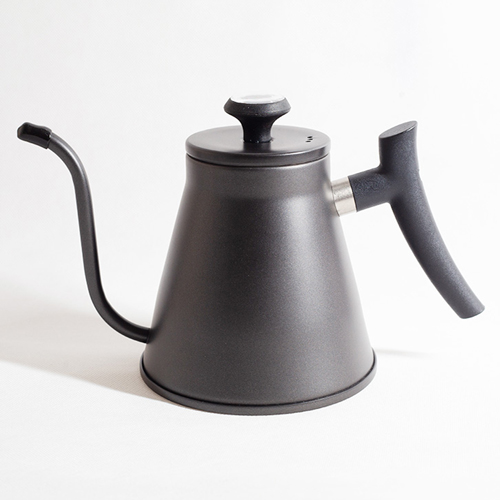
This is why a gooseneck kettle is often preferred. The long narrow spout gives better water flow control than a regular wide-mouth kettle. Instead of releasing too much water at once, it allows a slower and more focused pour. That makes it easier to brew coffee with more balance and less waste.
Choosing The Right Kettle For Pour-Over Coffee
Not every kettle is equally suitable for coffee brewing. A general household kettle can heat water, but it may not offer the control needed for more accurate pour-over preparation. A Coffee Kettle with a gooseneck spout is built for that specific purpose. It gives the user more control over flow rate and pour direction, which helps improve brewing consistency.
Material also matters. A stainless steel kettle is widely used because it is durable, easy to clean, and suitable for regular kitchen use. In practical product terms, a Stovetop Gooseneck Kettle made from food-grade stainless steel offers a better mix of durability and daily usability. It fits naturally into both home brewing and more professional coffee settings.
Start With Good Water And Fresh Coffee
The kettle is important, but it cannot fix poor ingredients. Good coffee starts with clean water and properly ground coffee beans. Water should taste neutral and fresh. Coffee should be ground to match the brewing method. For most pour-over setups, a medium grind works well because it allows controlled extraction without making the brew too weak or too slow.
Fresh coffee also makes a noticeable difference. When the beans are too old, the aroma becomes flat and the final cup loses complexity. Even with a good kettle and careful pouring, the coffee may still taste dull. That is why the kettle should be seen as one part of the system. It improves brewing control, but the full result depends on water, coffee, grind size, and brewing technique working together.
How To Heat Water Properly
Water temperature has a direct influence on extraction. If the water is too hot, bitterness can become more obvious. If it is too cool, the coffee may taste thin and under-extracted. That is why temperature control matters in manual coffee brewing. A kettle with a thermometer can make this much easier because it gives the user a more direct reading during preparation.
In practical use, this is one of the most useful kettle features for pour-over coffee. Instead of guessing, the user can brew with better consistency from one cup to the next. In product development, this is also why kettles with built-in temperature monitoring are often more attractive to coffee-focused buyers. They are not only visually appealing. They also support a more controlled brewing process.
How To Pour Water The Right Way
The actual pouring step is where the kettle becomes most important. Once the coffee grounds are placed in the dripper and the filter is ready, the first pour should be gentle. The purpose of this first stage is to wet the grounds evenly and allow the coffee to bloom. After that, the remaining water should be added in a slow and steady pattern rather than one fast motion.
This is where gooseneck design shows its value. A narrow spout allows the user to control direction and speed with much better accuracy. That makes circular pouring easier and helps avoid flooding one area of the coffee bed too quickly. In a regular kettle, the water often comes out too heavily, which can disturb the grounds and reduce brewing consistency.
Common Mistakes When Making Coffee With A Kettle
One common mistake is pouring too quickly. Fast pouring may save time, but it often leads to uneven extraction. Another is ignoring water temperature. Even a good kettle cannot deliver better coffee if the water is either overheated or not hot enough for brewing.
Many people also overlook kettle balance and handling. If the kettle feels awkward in the hand, the user may lose control of the pour. This is why kettle shape, handle comfort, and spout design matter in actual use. A coffee kettle is not judged only by appearance. It is judged by how naturally it performs during repeated pouring.
Why Stovetop Gooseneck Kettles Remain Popular
A stovetop gooseneck kettle remains a practical choice because it combines simple heating with more accurate pouring. It does not depend on a complicated system, and it works well in both household and training environments. For users who want manual coffee control without moving into highly technical equipment, it is a very natural option.
From a product perspective, it also has broad appeal. It suits home coffee lovers, barista training spaces, coffee rooms, and specialty coffee setups. That makes it a useful category for both retail and wholesale buyers. When a kettle also offers multiple capacities, durable stainless steel construction, and customization options, its market value becomes even stronger.
What Buyers Usually Look For In A Coffee Kettle
For buyers, the most important factors are usually pouring accuracy, material quality, heat resistance, and ease of handling. A kettle that pours well but feels unstable will not perform smoothly over time. A kettle that looks attractive but lacks durable material may not suit daily use in coffee service.
This is why gooseneck kettles are often evaluated as working tools rather than simple kitchen items. The spout affects accuracy. The handle affects comfort. The body affects heat performance. The thermometer affects brewing control. When these details are designed well, the kettle becomes easier to use and easier to position in a premium coffee product line.
Why Product Design Supports Better Brewing
Good coffee equipment does not need to look complicated, but it does need to work naturally. In a well-designed coffee kettle, the user should feel more in control from the moment the water is heated to the final pour into the dripper. That kind of design supports both experience and consistency. It also helps the product fit different usage scenarios, from daily home brewing to coffee education and specialty drink preparation.
This is one reason coffee kettles continue to perform well in the market. They solve a clear need, they are easy to demonstrate, and the benefit is easy for users to understand. Better water control leads to better brewing control, and that message is simple for both consumers and product buyers.
Conclusion
Making coffee with a kettle is not only about heating water. It is about controlling the pour, managing temperature, and creating a more even extraction from the coffee grounds. A proper gooseneck kettle makes this process easier, especially for pour-over brewing where precision matters. With the right kettle, the brewing experience becomes more consistent, more practical, and much more enjoyable.
If you are looking for a stovetop coffee kettle for retail, wholesale, or custom kitchenware projects, feel free to contact us. We can help you review capacity options, finish choices, and product details to find a coffee kettle solution that fits your market and user needs more smoothly.