



How To Clean Gooseneck Kettle?
A gooseneck kettle is closely linked to brewing control, but cleaning is what keeps that control reliable over time. Many users focus on pour precision, water flow, and appearance when they buy a kettle, yet daily maintenance is what decides whether the kettle stays clean, pours smoothly, and continues to look professional after repeated use. If scale builds up inside, if the spout is ignored, or if the surface is cleaned the wrong way, even a well-made kettle can lose part of its value in real use.
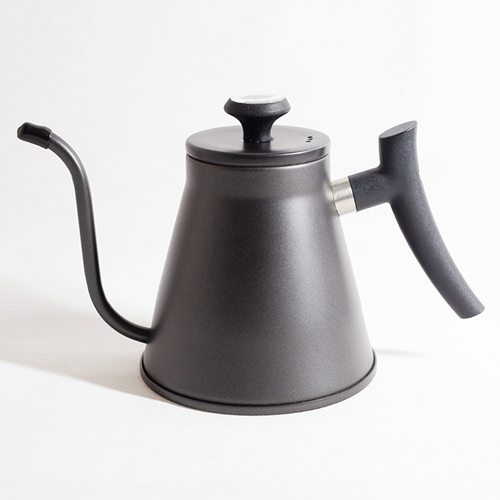
This is why cleaning matters not only for coffee lovers, but also for importers, wholesalers, kitchenware brands, and private label buyers. A kettle that is easy to clean is easier to support in the market and easier to position as a reliable product. Our Stovetop Gooseneck Kettle fits naturally into this topic because it combines daily brewing function with practical maintenance needs. For buyers evaluating product lines, the best gooseneck kettle is not only about elegant pouring. It is also about easy cleaning, durable material, and stable quality across repeat orders.
Why Regular Cleaning Matters
A gooseneck kettle deals with heat, water, and repeated use, so residue is unavoidable over time. The most common issue is mineral buildup from hard water. Even when users only boil clean water, scale can slowly form on the inner wall and near the bottom. This buildup affects appearance first, but if ignored for too long, it can also make the kettle look less hygienic and harder to maintain.
The spout also deserves attention. A gooseneck design is made for controlled pouring, so any residue inside the narrow channel can affect the smoothness of the flow. This is especially important for pour-over use, where even small differences in water movement can change the user experience. For commercial buyers, that means cleaning is not a side issue. It is part of long-term product performance.
In retail and wholesale supply, customers often judge quality by how the product holds up after purchase. If a kettle stays easy to clean and remains visually attractive after regular use, it creates stronger trust. That matters for repeat business and for how the product is reviewed in the market.
The Best Daily Cleaning Routine
The best daily routine is simple and practical. After the kettle cools down, empty any remaining water and rinse the interior with warm water. This helps remove early mineral traces before they build into visible scale. Then wipe the outside with a soft damp cloth so water spots and fingerprints do not stay on the surface too long.
Drying is just as important as rinsing. A kettle that is left wet after each use is more likely to show marks on the body and around the lid area. A clean dry cloth helps the stainless steel surface stay neater and keeps the kettle looking more polished in daily use. This routine takes very little time, but it makes a clear difference over the life of the product.
For stores, distributors, and brand owners, this also supports a better after-sales message. When a product is easy to care for with simple steps, it becomes easier to explain and easier for end users to maintain correctly.
How To Remove Limescale Inside The Kettle
When scale has already formed, a deeper cleaning method is needed. One of the most common approaches is to use a mixture of water and white vinegar. This works because the mild acidity helps loosen mineral deposits without requiring harsh abrasion. The mixture can be heated gently and then left inside the kettle for a short period before rinsing thoroughly.
This kind of deep cleaning should not be overdone, but it is useful when regular rinsing is no longer enough. After descaling, the kettle should be washed again with clean water so no cleaning smell remains. If the kettle is used often, especially in areas with hard water, regular descaling becomes part of normal maintenance.
From a B-end point of view, this matters because hard water conditions vary from market to market. A supplier who understands real use conditions can support buyers more effectively, not only with product supply but also with practical maintenance guidance.
Why The Spout Needs Special Attention
The gooseneck spout is the defining part of the product, and it is also the part many users clean the least carefully. Because the channel is narrow, residue can remain inside even when the kettle body looks clean. If the user only rinses the main chamber and forgets the spout, the pouring experience may slowly become less smooth.
A careful rinse after each use helps prevent this problem. For deeper maintenance, warm cleaning liquid can be allowed to pass through the spout so the inside is flushed more fully. The goal is not aggressive cleaning. The goal is to keep the water path clear without damaging the structure of the kettle.
This is one reason product design matters so much. The best gooseneck kettle should not only pour accurately when new. It should also remain easy to maintain after long-term use. For buyers, this has direct value because it supports stronger customer satisfaction after sale.
What Should Be Avoided During Cleaning
A stainless steel kettle should not be cleaned with rough metal scrubbers, hard scraping tools, or harsh chemicals that may damage the surface. These methods may remove stains quickly, but they can also dull the finish and reduce the clean look that customers expect from a quality Coffee Kettle. Strong friction around the thermometer or lid area is also best avoided.
Another mistake is leaving old water in the kettle for long periods. This is not only a visual issue. It also increases the chance of mineral buildup and makes deep cleaning more frequent. Dry storage is the better option when the kettle is not being used.
These points matter in commercial sourcing because appearance is part of product value. Buyers need products that remain presentable after real customer use, not only at the sample stage.
Why Material Quality Changes The Cleaning Experience
Cleaning is easier when the product itself is made well. A kettle with food-grade stainless steel, a smooth inner surface, and a stable outer finish is simpler to maintain than one with weak workmanship or inconsistent finishing. A better material foundation supports daily rinsing, repeated heating, and more reliable long-term appearance.
Our products fit this requirement well because buyers in the coffee kettle category usually want more than a basic water container. They want a product that supports brewing performance, feels dependable in hand, and still looks suitable for modern coffee settings after continued use. In practical sourcing, this is where material choice and manufacturing quality create real value.
For importers and private label buyers, this also reduces risk. Products that clean more easily are easier to recommend, easier to support, and less likely to create avoidable complaints related to stains, scale, or surface wear.
Why Buyers Look Beyond Basic Function
When sourcing gooseneck kettles, experienced buyers rarely focus on shape alone. They also care about ease of maintenance, packaging suitability, finish consistency, and whether the supplier can support custom development. A kettle may have a beautiful profile, but if it is difficult to clean or unstable across repeat orders, it becomes much harder to build into a long-term product line.
That is why this category often connects directly with OEM and ODM discussions. Buyers may need custom colors, private label packaging, logo application, or specification adjustments for a certain market. A supplier should be ready to support these needs without losing consistency in the actual product.
In this sense, the best gooseneck kettle is the one that balances design, cleaning convenience, and supply reliability. For B-end buyers, that balance is often more important than a low initial quotation.
Why OEM And ODM Matter In This Category
Many coffee equipment buyers are building more than a single product. They are building a brand range, a retail collection, or a foodservice supply plan. That is why OEM and ODM support matter so much. A kettle may need to match a packaging concept, a showroom line, or a larger coffee accessory collection.
Our products are suitable for this kind of cooperation because gooseneck kettles are often chosen not only for direct function, but also for how they fit into a buyer’s overall market strategy. A reliable supplier should help buyers manage customization, maintain quality stability, and keep product positioning clear across repeated orders.
This is especially important in wholesale and private label programs. A product that is easy to clean, easy to brand, and consistent in production gives buyers a stronger base for long-term business.
Conclusion
Knowing how to clean gooseneck kettle the right way helps protect both appearance and performance. Regular rinsing, careful drying, periodic descaling, and extra attention to the spout all help keep the kettle in better condition. Good maintenance is not complicated, but it has a big effect on how the product feels and performs over time.
For buyers, cleaning convenience should be part of the sourcing decision from the start. The best gooseneck kettle is not only one that pours beautifully. It is also one that stays easy to maintain, supports daily use, and comes from a supplier that can offer stable quality with OEM and ODM support. If you are looking for gooseneck kettles for wholesale, private label, coffee equipment programs, or custom development, feel free to contact us. We can help review product details, packaging direction, and order needs, and we can also offer practical guidance so your next kettle project moves forward more smoothly.
Previous:
Next: What Is A Potato Press?