


How to Choose a Durable Garlic Press for Bulk Orders?
Choosing a durable garlic press for bulk orders is not only about appearance or unit price. For importers, kitchenware wholesalers, brand owners, and project buyers, durability affects product returns, customer satisfaction, long-term purchasing cost, and how smoothly the item performs in daily use. A tool that bends too easily, feels weak in the hand, or loses consistency across batches may look acceptable at first, but it often creates bigger problems after it reaches the market.
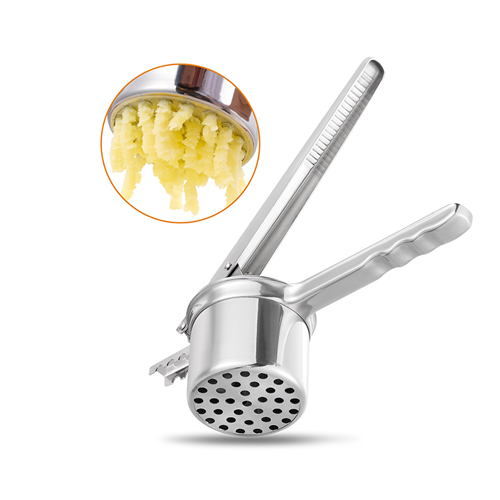
For buyers sourcing this type of kitchen tool, it is also important to look beyond the name of the item. In many markets, a garlic press and a Potato Ricer are discussed together because both belong to the same food preparation category. Our Stainless Steel Potato Ricer connects well with this topic because buyers looking for a durable pressing tool often need the same core strengths: solid construction, comfortable handling, easy cleaning, and dependable supply for repeated orders. That is also why many professional buyers pay attention to whether a product can meet the expectations of a commercial garlic press in real kitchen use.
Understand What Durability Really Means
When buyers evaluate a pressing tool, durability should not be reduced to thick material alone. A durable product needs a balanced structure. The handle should feel secure during repeated pressing. The basket or chamber should stay stable under pressure. The perforated plate should work evenly without deforming too quickly. The connecting points should also remain reliable after frequent use.
This matters even more in bulk purchasing. A few weak units in a small retail order may be manageable, but the same issue becomes a much bigger problem when thousands of pieces are shipped to distributors, retailers, or foodservice customers. That is why B2B buyers usually care less about marketing language and more about whether the product can stay consistent from one order to the next.
Our product fits this buying logic well because it is a stainless steel pressing tool intended for repeated kitchen use. For buyers comparing options in this category, that kind of material direction and functional design is often a more practical starting point than chasing the lowest offer.
Match The Product To The End-Use Market
A common sourcing mistake is buying one pressing tool for every channel without thinking about the final market. A buyer selling into home retail may prioritize appearance, easy cleaning, and gift-ready packaging. A buyer serving restaurant supply or catering channels may focus more on strength, handling comfort, and repeated use. A private label customer may need a balance between performance, packaging, and branding flexibility.
This is why the end-use market should guide the buying decision from the beginning. A tool intended for everyday home cooking does not always meet the same expectations as a product selected for professional food preparation. When procurement teams understand who will use the tool, they make better decisions on structure, finish, logo method, and packing style.
Our stainless steel potato ricer is especially relevant here because it naturally fits both household and foodservice-related applications. That makes it easier for wholesalers and brand buyers to position it across different customer groups without moving too far away from mainstream demand.
Check Material And Surface Quality Carefully
For pressing tools, material choice has a direct impact on buyer confidence. Kitchen tools are handled closely, cleaned frequently, and expected to stay presentable over time. If the surface scratches too easily, shows rust concerns, or feels rough in use, the product quickly loses value in the buyer’s eyes.
This is one reason stainless steel remains such a strong option in this category. Buyers often prefer it because it supports a cleaner appearance and a more durable impression, especially for products that need to handle repeated food preparation tasks. In bulk orders, this also helps reduce quality disputes caused by visible finish inconsistency.
When sourcing for distribution or OEM programs, buyers should pay close attention to how consistent the surface treatment looks across the order. A durable tool should not only perform well. It should also arrive with a finish that matches the brand image and the price level expected by the target market.
Focus On Comfortable Handling
A pressing tool can look strong on paper and still disappoint in real use if the grip feels awkward. In this category, comfort matters because the user applies direct hand pressure. If the handles are too thin, too slippery, or poorly shaped, the tool feels harder to use and less premium.
For B2B buyers, this affects more than product reviews. It affects repeat purchasing. A kitchenware importer or retailer wants products that are less likely to trigger complaints about effort, grip stability, or cleaning inconvenience. For restaurant supply buyers, ease of use becomes even more important because kitchen staff may use the tool repeatedly during busy preparation periods.
That is why ergonomic structure should be part of the durability discussion. A durable pressing tool is not only one that lasts physically. It is one that remains practical and comfortable throughout its service life.
Think About Cleaning And Daily Maintenance
Kitchen tools that are difficult to clean often create hidden dissatisfaction, even when their main function works well. Food residue in hard-to-reach corners can lower user satisfaction and weaken perceived quality. For retail buyers, that often leads to poor reviews. For professional users, it slows down kitchen workflow.
In bulk procurement, easy cleaning is therefore not a small detail. It is part of product usability. Buyers should look for a design that allows more efficient rinsing, less residue buildup, and simpler maintenance. This is especially important for tools sold to restaurant supply channels, homeware brands, and online sellers where customer feedback directly affects reorder potential.
Our stainless steel potato ricer is closely aligned with this expectation because tools in this category are judged not only by the texture of the mashed result, but also by how easy they are to handle before and after use.
Consider Supply Stability, Not Just Product Samples
Many buyers make the mistake of approving a sample and assuming the sourcing risk is solved. In reality, bulk orders bring a different challenge: repeat consistency. The first sample may feel solid, but buyers also need to ask whether later production will maintain the same handling feel, surface quality, structural fit, and packing standards.
For wholesalers, importers, and project buyers, supply stability is often more important than saving a small amount on initial cost. Delays, uneven quality, or unclear communication can create bigger losses than a slightly higher unit price. This is especially true when the product is being sold under a private label or included in a broader kitchenware program.
A dependable supplier should be able to discuss production rhythm, packaging options, customization, and repeat-order expectations clearly. That is where many buyers begin to separate a basic seller from a real supply partner.
Evaluate Customization For Bulk Programs
Bulk orders often require more than standard stock supply. Some buyers need custom logo placement. Others want adjusted packaging, retail box designs, or labeling suitable for their sales channel. In project-based business, these details help the product fit the buyer’s brand plan more naturally.
This is where OEM and ODM support becomes commercially useful. It allows buyers to move beyond generic sourcing and build a product that fits their own market position. For example, a distributor may need a simpler wholesale packing style, while a retail brand may prefer a more polished presentation. A supplier that can support these requests helps buyers reduce sourcing complexity and save communication time.
For this kind of product, customization is not only about branding. It also affects how the item enters the market, how it is displayed, and how buyers differentiate themselves from competitors selling similar tools.
Why A Stainless Steel Potato Ricer Still Matters In This Topic
Although the title focuses on choosing a durable garlic press, many buyers actually search across related food pressing tools when planning bulk sourcing. This is common in kitchenware procurement, where buyers compare multiple preparation tools that share similar customer groups, material preferences, and durability requirements.
Our stainless steel potato ricer fits naturally into this conversation because it answers the same B2B concerns that matter in a durable pressing tool: reliable structure, practical handling, easier cleaning, broad kitchen application, and the ability to support wholesale, branding, and repeat purchasing plans. For many importers and retailers, this kind of item is not bought alone. It becomes part of a wider kitchenware assortment.
That makes supplier capability especially important. Buyers are not only choosing a single item. They are evaluating whether the supplier can support long-term cooperation, product consistency, and commercial flexibility.
Conclusion
Choosing a durable garlic press for bulk orders means looking at the full business picture, not just the sample in hand. Buyers need to consider structure, material feel, grip comfort, cleaning convenience, customization options, and repeat-order consistency. In real sourcing, these details decide whether the product performs well in the market and whether the supplier relationship remains efficient over time.
Our stainless steel potato ricer is a practical option for buyers who need a dependable food pressing tool for retail, wholesale, or project-based sourcing. If you are comparing suppliers, planning a private label program, or building a broader kitchenware line, you are welcome to contact us. We can help you review suitable specifications, packaging options, and customization directions based on your market needs, so your next order is easier to manage from sourcing to delivery.