


How Long To French Press Coffee?
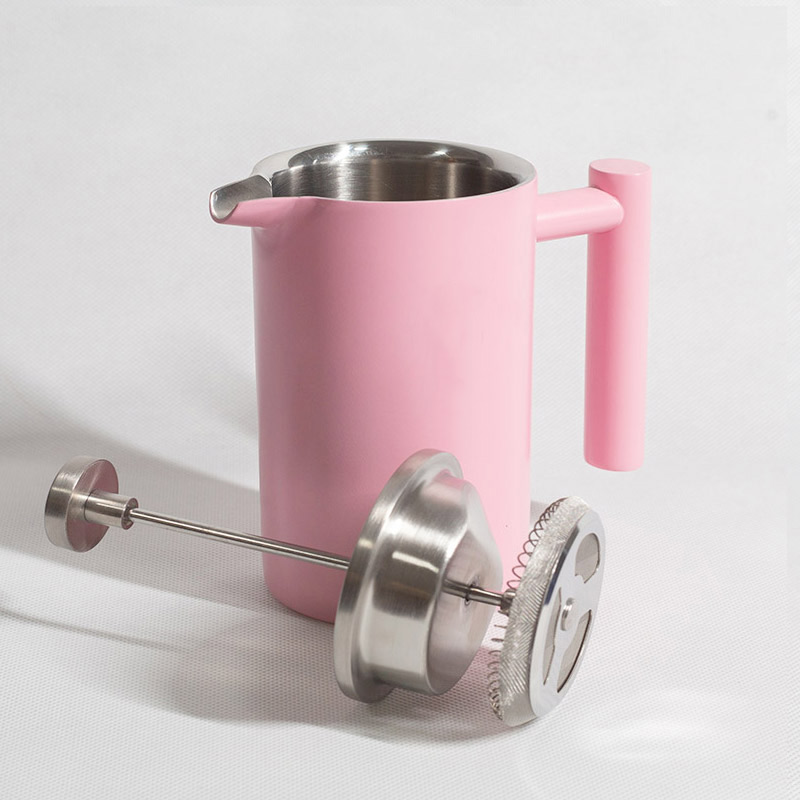
Timing is one of the most influential factors in achieving a balanced and flavorful cup of French Press coffee. While grind size, water temperature, and bean quality all play important roles, the steeping duration determines whether the final brew tastes bold, smooth, or overly bitter. This guide explains the ideal French press steeping time, what influences it, and how to control extraction for consistent results. It also highlights how a well-designed French press, such as SENGHO’s stainless-steel and glass models, contributes to better brewing performance. For reference, explore our French Press Collection to see options suited for home and professional environments.
1. The Standard Recommended Steeping Time
The most widely accepted duration for French press brewing is 4 minutes. This timing allows coffee grounds to extract enough flavor compounds without introducing excessive bitterness.
A four-minute steep balances:
Body: full, rich, and naturally oily
Acidity: present but controlled
Bitterness: minimal, unless the beans are very dark
However, this timing is not universal for every bean or roast. Many enthusiasts adjust the steeping duration by several seconds or minutes depending on taste preference.
2. What Happens During Different Steeping Times
Steeping time directly influences extraction. The progression is gradual, and understanding each phase helps prevent under- or over-extraction.
Under 3 Minutes
The coffee will taste weak or sour because essential compounds have not fully dissolved.
Around 4 Minutes
Balanced extraction occurs. Aromatic oils, acids, and natural sugars develop simultaneously, producing a full-bodied cup.
5–6 Minutes
The brew becomes stronger and more intense. Some users who prefer robust coffee choose this range.
More Than 6 Minutes
Over-extraction introduces bitterness and a powdery texture. The brew may feel harsh and lack clarity.
SENGHO’s French press designs provide stable filtration and heat retention to maintain consistent extraction throughout the steeping period.
3. Factors That Influence the Ideal Brewing Time
Even though four minutes is the starting point, several variables may require adjustment. The following considerations help refine timing for specific beans and brewing conditions.
3.1 Grind Size
Coarse grounds allow water to circulate freely, requiring more time for extraction.
Fine grounds accelerate extraction and may require a shorter steep to prevent bitter flavors.
3.2 Roast Level
Light roast: may require an extra 30–60 seconds to unlock delicate flavors.
Medium roast: performs best within the standard 4-minute guideline.
Dark roast: extracts faster; reducing steeping time prevents burnt notes.
3.3 Water Temperature
Higher temperatures increase extraction rate.
Typical range: 92–96°C.
Lower temperatures may require slightly longer steeping.
3.4 Bean Freshness
Very fresh beans release more gas, slowing extraction. Older beans extract quickly and may need a shorter steep.
Each of these factors works together, and small adjustments help achieve a customized flavor that matches personal preferences.
4. Step-by-Step Timing Guide for French Press Brewing
Although timing is the focus, technique also influences how consistent the result will be. Here is a timing-centered workflow that aligns with the natural extraction phases.
1. 0–30 Seconds: Bloom Phase
Pour a small amount of hot water over the grounds and allow them to bloom. This releases trapped carbon dioxide and prepares the grounds for even extraction.
2. 30–60 Seconds: Initial Saturation
Add remaining water and gently stir.
Ensure all grounds are fully submerged to prevent uneven extraction.
3. 1–4 Minutes: Full Extraction
Cover the French press with the lid. Heat retention is crucial—for example, SENGHO’s insulated models maintain temperature stability to promote uniform flavor extraction.
4. At 4 Minutes: Press and Serve
Slowly press the plunger downward using steady pressure.
Avoid pressing too quickly, as this agitates sediment and affects clarity.
5. Flavor Results Based on Steeping Time
The table below summarizes how timing affects flavor outcome, aiding users in selecting the ideal duration.
| Steeping Time | Flavor Profile | Best For |
|---|---|---|
| 3 minutes | Light body, mild, slightly acidic | Light-roast drinkers |
| 4 minutes | Balanced, smooth, aromatic | Most users |
| 5 minutes | Strong, bold, dense | Dark-roast enthusiasts |
| 6+ minutes | Bitter, harsh, over-extracted | Rarely recommended |
This guide allows for easy comparison and practical decision-making.
6. How a High-Quality French Press Affects Brewing Time
The effectiveness of the steeping process is significantly influenced by the design of the French press.
Heat Retention
A model with thick borosilicate glass or double-wall stainless steel maintains a stable temperature, allowing the steeping time to follow predictable extraction rates.
Filtration Efficiency
A precise mesh filter prevents fine particles from rising into the brew, allowing proper timing without also introducing sediment.
Structural Durability
A stable plunger and rigid frame prevent pressure loss, ensuring that the plunge at the end of the steeping time is smooth and controlled.
SENGHO’s French press range is engineered to provide these advantages, thereby enhancing both timing accuracy and flavor consistency.
7. Adjusting Brewing Time for Different Serving Needs
Depending on how much coffee you are making, the steeping duration remains largely the same, but a few adjustments may improve the outcome.
Larger Batches
More coffee retains heat better; steeping closer to 3.5 minutes may produce clearer flavor.
Smaller Batches
Heat dissipates faster; steeping for 4–5 minutes compensates for temperature loss.
Cold French Press
Steeping time ranges from 8–12 hours in cold water due to much slower extraction rates.
8. Advanced Techniques for Further Flavor Control
For users who want precision, slight changes in steeping time can fine-tune the result.
Stirring at the 2-minute mark increases extraction rate.
Breaking the crust before pressing reduces bitterness.
Pulling the plunger halfway down and holding increases immersion consistency.
Waiting 30 seconds after pressing allows grounds to settle, improving clarity.
These methods help users reach optimal flavor using small but meaningful timing changes.
9. Why Choose a SENGHO French Press for Consistent Timing?
A French press performs best when it supports the user’s ability to maintain stable heat, consistent filtration, and controlled extraction.
SENGHO designs prioritize:
High-grade borosilicate glass or insulated stainless steel
Multi-layer fine mesh filtration
Durable plungers with reinforced shafts
Ergonomic handles for safe pouring
Modern designs for home, office, or café use
View our full collection here: SENGHO French Press.
Conclusion
The ideal French press steeping time is generally 4 minutes, but personal taste, grind size, roast level, and water temperature all influence final flavor. Understanding how timing affects extraction allows users to customize their coffee profile with confidence. A well-built French press, such as those offered by SENGHO, supports consistent brewing and enhances the overall experience. Whether aiming for a smooth morning cup or a bold afternoon brew, timing remains the key to successful French press coffee.