



How To Clean A Milk Frother Pitcher?
A milk frother pitcher is one of the most frequently used tools in coffee preparation, and it is also one of the easiest places for residue to build up. Milk proteins and fats cling to stainless steel surfaces, especially around the spout, inner walls, and bottom edge where milk heats and circulates. If the pitcher is not cleaned correctly, old milk film can affect foam quality, introduce unwanted odors, and shorten the usable life of the pitcher’s finish.
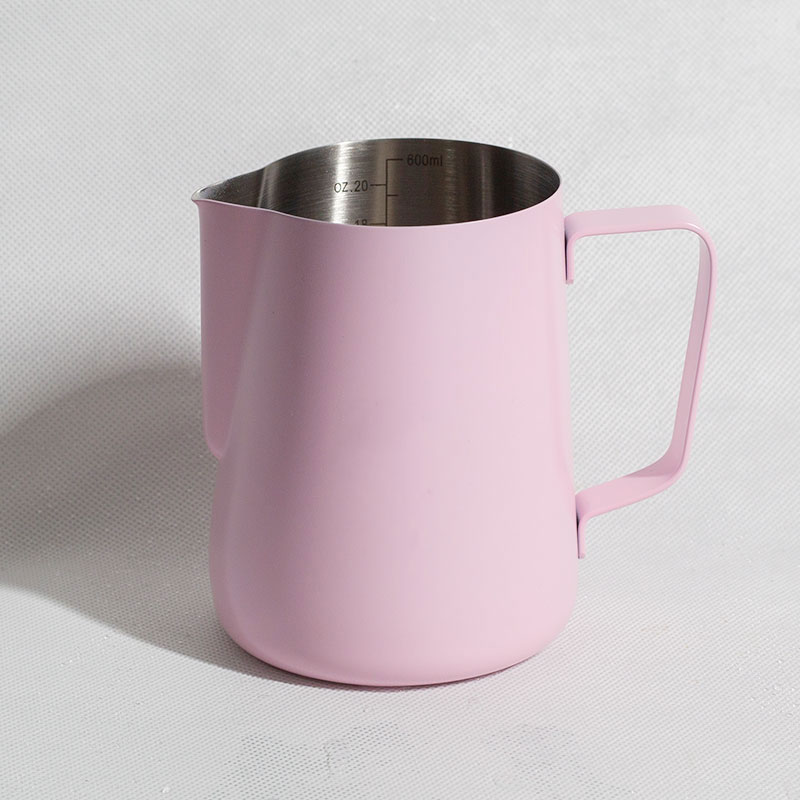
This guide explains how to clean a milk frother pitcher properly for both home and commercial use, how to prevent stubborn buildup, and what habits keep frothing performance consistent. The recommendations are written around daily use of stainless steel Milk Pitchers such as the SENGHO Milk Pitcher, designed for barista-style steaming, pouring control, and reliable durability.
Why proper cleaning matters for frothing performance
Milk residue is not just a hygiene issue. Even a thin invisible film can change how milk behaves when steamed. Protein buildup can make foam less stable, reduce microfoam smoothness, and cause inconsistent texture from one drink to the next. Residue in the spout also affects pouring accuracy, which matters when you want a clean latte art line or a controlled milk stream.
A well-maintained pitcher keeps a neutral surface that supports consistent heat transfer, predictable swirling, and smooth flow at the spout.
The fastest daily cleaning method after each use
For most users, the best cleaning method is immediate cleaning while the pitcher is still warm. Fresh milk residue releases more easily before it cools and bonds to the steel.
Rinse right away with warm water to remove remaining milk
Add a small amount of mild dish soap and warm water
Use a soft sponge to wipe the inside walls and bottom
Pay attention to the spout area where milk often dries first
Rinse thoroughly until no soap film remains
Wipe dry with a clean cloth or air dry upside down
This method is usually enough for daily use and prevents the majority of stubborn buildup from forming.
How to clean the spout and rim for better pouring control
The spout is the most sensitive area because it collects fine milk solids that dry quickly. If you notice roughness at the spout edge or a faint sour smell, the spout area likely needs a deeper clean.
Wash the spout with a soft brush or sponge edge
Clean both the inner and outer spout surfaces
Inspect the rim line where dried milk can form a thin ring
Rinse using warm running water directed across the spout crease
Dry the spout immediately to prevent water spots and residue lines
A clean spout improves pouring precision, especially when making multiple drinks in a row.
Deep cleaning for stubborn milk film or sour odor
If a pitcher has been left unwashed or used heavily in a busy setting, milk film can harden into a dull layer. This is when normal dish soap may not be enough.
A deep clean should focus on loosening proteins and fats without damaging the steel finish.
Fill the pitcher with hot water, not boiling, and let it soak
Add a small amount of mild detergent to help break down fats
Let it sit long enough for residue to soften
Scrub gently with a non-abrasive sponge
Rinse thoroughly and smell-check the interior
Repeat once if odor remains
For commercial environments, many teams schedule a daily soak to prevent heavy accumulation.
What not to do when cleaning a Stainless Steel Milk Pitcher
Incorrect cleaning methods can scratch the surface or leave chemical film that affects taste and foaming.
Avoid steel wool or abrasive pads
Scratches create micro-grooves that hold milk residue more easily.Avoid leaving strong cleaners in the pitcher for long periods
Harsh chemicals can dull the finish and create lingering odors.Avoid sealing the pitcher wet in a closed cabinet
Trapped moisture can create odor and make residue smell stronger.Avoid mixing bleach-based products with other cleaners
This is unsafe and not necessary for daily cleaning.
A stainless steel pitcher performs best when the surface stays smooth and residue-free.
Dishwasher cleaning and when it is appropriate
Many stainless steel pitchers can be dishwasher-cleaned, but results depend on water hardness and detergent strength. Dishwasher heat can help remove residue, but it can also leave water spots if the pitcher is not dried properly.
If using a dishwasher:
Place the pitcher so water drains easily
Avoid crowded placement that blocks spray access to the interior
Remove and dry after the cycle to reduce spotting
If water spots appear, a warm rinse and quick wipe usually restores appearance
For long-term aesthetics, many baristas prefer hand cleaning for daily use and reserve the dishwasher for periodic sanitation routines.
Cleaning frequency guidelines for different users
Cleaning should match usage intensity. The goal is to prevent residue from hardening.
| User type | Recommended routine | What it prevents |
|---|---|---|
| Home use, occasional | Rinse and wash after each use | Film buildup and odor |
| Home use, daily | Wash immediately and dry fully | Spout residue and texture issues |
| Small café, moderate volume | Immediate rinse plus end-of-day soak | Protein ring and sour smell |
| High-volume café | Rinse after every drink and scheduled deep clean | Heavy film and cross-flavor risk |
A consistent routine is more effective than occasional aggressive cleaning.
How to keep your pitcher looking clean and professional
Even when a pitcher is hygienically clean, it may develop dull spots or water marks. This is usually caused by mineral deposits rather than milk residue.
To keep a stainless steel pitcher looking sharp:
Dry it after washing instead of leaving it to air dry in hard-water areas
Wipe in the direction of the steel finish if the surface is brushed
Avoid stacking wet pitchers, which can trap moisture and leave marks
Store in a ventilated area to prevent odor retention
Good appearance matters in cafés and open kitchens where equipment is visible.
Why SENGHO milk pitchers support easier cleaning and consistent use
A pitcher used for steaming should be durable, easy to rinse, and comfortable to handle repeatedly. Build quality affects how easily residue releases, especially around edges and corners.
The SENGHO Milk Pitcher is designed for daily frothing workflows, offering stable stainless steel construction and practical shape for swirling and pouring. For users who want consistent results and an easier cleaning routine, a well-made pitcher reduces residue retention and supports better long-term hygiene.
Conclusion
Cleaning a milk frother pitcher properly is essential for hygiene, foam consistency, and pouring control. The best routine is immediate rinsing and gentle washing after each use, with special attention to the spout and rim. Deep cleaning should be used when film or odor appears, and abrasive tools should be avoided to keep the stainless steel surface smooth.
For daily barista-style use and reliable durability, the SENGHO Milk Pitcher is a practical choice that supports consistent frothing performance and easier maintenance over time.