


What Size Milk Pitcher for Latte?
Choosing the right Milk Pitcher size for a latte is one of the easiest ways to improve foam texture, reduce waste, and pour more consistently. A pitcher that is too small tends to overflow or forces you to steam with the wand too close to the surface, which can create large bubbles and unstable foam. A pitcher that is too large makes it difficult to create enough vortex, especially when steaming small amounts of milk, leading to thin microfoam and uneven heating.
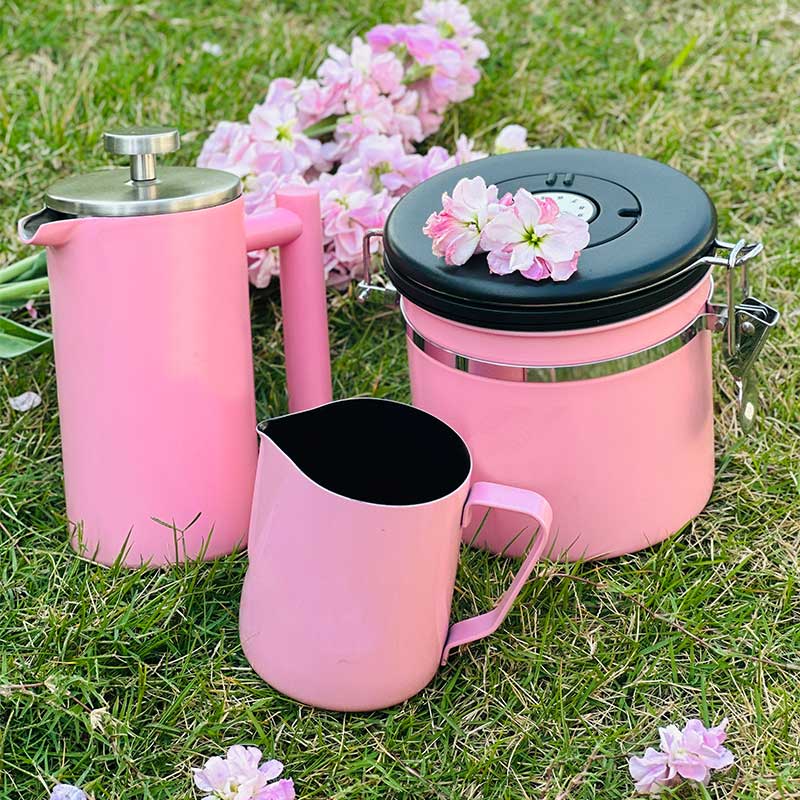
For most latte workflows, the best pitcher size is the one that matches your typical drink volume and lets you steam within the pitcher’s effective range, usually around one-third to one-half full before steaming. SENGHO offers practical capacity options such as 350ML and 600ML in its Milk Pitcher range, which covers common home and café latte needs without overcomplicating selection.
How pitcher size affects milk texture and latte quality
A latte depends on smooth microfoam and properly heated milk, not stiff foam like a cappuccino. Pitcher size influences how easily you can create the rolling motion that integrates air and milk evenly.
When the pitcher is correctly sized, the steam wand can introduce a controlled amount of air early, then the milk forms a stable whirlpool that breaks down bubbles into a glossy texture. If the pitcher is oversized for the amount of milk, the milk level sits too low, the steam wand position becomes harder to stabilize, and the vortex is weaker. If the pitcher is undersized, the milk rises quickly as it expands, making temperature control and spill prevention more difficult.
A practical rule for latte steaming volume
Most baristas steam best when the milk volume sits within a comfortable working zone.
Fill the pitcher to roughly one-third for smaller drinks when you want stronger rolling control and minimal waste
Fill closer to one-half when steaming for larger lattes or when you need more milk volume for multiple cups
Avoid filling above half before steaming because milk expands, and overflow risk increases significantly
This is why choosing a pitcher is not only about maximum capacity. It is about whether your normal milk dose sits in the correct range for stable vortex formation.
Recommended pitcher sizes for common latte scenarios
SENGHO’s 350ML and 600ML options match the most common latte use cases, including home espresso machines and small commercial preparation.
350ML milk pitcher for single-cup latte and precision practice
A 350ML pitcher is typically the better choice when you mainly prepare one latte at a time or when you want more precise control during steaming. Because the milk level sits higher relative to the steam wand tip, it becomes easier to create fine microfoam with less air and more consistent rolling. It also helps reduce milk waste for users who make one drink per session.
This size is often preferred for:
Single latte preparation
Latte art practice where pour control matters
Small home machines with compact steam wands
Lower milk consumption routines where waste control is important
600ML milk pitcher for larger lattes and back-to-back drinks
A 600ML pitcher is generally better when you make larger lattes, need extra headroom during expansion, or prepare two drinks close together. The bigger internal space helps reduce overflow risk and provides a more stable steaming zone when the milk volume is higher.
This size is often preferred for:
Large latte cups and mugs
Two drinks in one steaming cycle when workflow allows
Settings where spills must be minimized under speed
Users who want more flexibility for varying drink sizes
SENGHO’s Milk Pitcher options make it easier to pick a size that fits your daily routine rather than forcing one pitcher to cover every scenario.
Quick selection table for latte buyers
The table below focuses on practical selection logic, based on how much milk you typically steam per session.
| Your latte routine | Recommended pitcher size | Why it works better |
|---|---|---|
| One latte at a time | 350ML | Easier vortex control and less waste |
| One large latte cup | 600ML | More headroom, lower overflow risk |
| Two drinks back-to-back | 600ML | Higher capacity supports larger milk volume |
| Practicing latte art often | 350ML | Better pour control and foam consistency |
This approach keeps selection tied to usage frequency and cup size rather than guessing by maximum capacity alone.
Signs you chose the wrong pitcher size
If you are unsure whether your pitcher size fits your latte routine, the performance symptoms are usually clear.
Frequent overflow or milk climbing too fast during steaming often indicates the pitcher is too small for your milk dose
Thin foam and weak swirl when steaming small volumes often indicates the pitcher is too large for your milk dose
Inconsistent temperature and foam quality from drink to drink often indicates the milk level is outside the stable steaming range
Latte art lines breaking early can happen when microfoam is not integrated evenly, which can be linked to poor vortex formation in an oversized pitcher
Adjusting the pitcher size to match the volume you actually steam is often more effective than changing technique repeatedly.
How spout and pour control relate to pitcher size
Latte pouring is not only foam texture. It is also how the milk stream behaves at the spout. Smaller pitchers tend to give tighter control for slow, thin streams, which helps when you want clean contrast and defined patterns. Larger pitchers can give steadier flow for big cups, but they require a stable grip and the right fill level to avoid sudden surges.
For latte users, the goal is consistent flow at the spout and predictable tilt behavior. Selecting a pitcher size that matches your hand motion and cup size supports smoother pouring and reduces rework.
Why SENGHO milk pitchers are a practical choice for latte preparation
A latte pitcher needs to perform reliably in repeated cycles, especially in environments where cleanliness, durability, and consistent pouring matter. SENGHO provides capacity options such as 350ML and 600ML, giving buyers a straightforward way to match the pitcher to real latte routines. For project and wholesale buyers, SENGHO also offers stable operational support and service readiness based on its established team structure and long-term business development, which is valuable when supply consistency matters.
You can view the full options and specifications here: SENGHO Milk Pitcher.
Conclusion
The best milk pitcher size for a latte is the one that matches your typical milk volume and keeps steaming within a stable working range. For single-cup lattes and precision pouring, a 350ML pitcher usually offers better control and less waste. For larger lattes or multiple drinks, a 600ML pitcher provides headroom and flexibility. Choosing the right size improves microfoam quality, reduces spills, and makes pouring more consistent, which is exactly what a good latte workflow needs.
Previous: What Makes A Good Ice Bucket?