


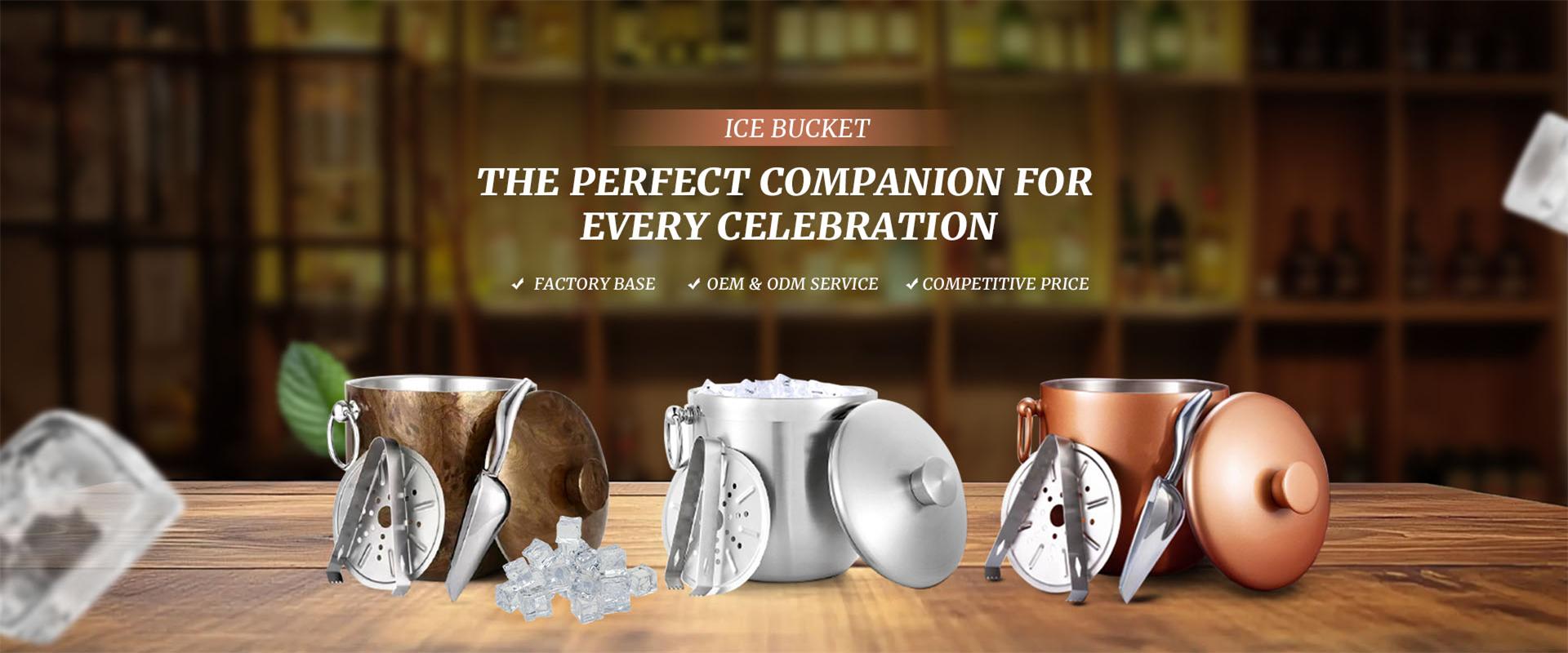
What Makes A Good Ice Bucket?
A good Ice Bucket does more than hold ice. It helps ice last longer, keeps serving clean and efficient, and looks appropriate in the setting where it is used. In home bars, hotels, restaurants, and event venues, an ice bucket is often placed directly on tables or beverage stations, so performance and presentation matter at the same time. If the bucket sweats heavily, ice melts too fast, or the lid does not seal well, the user experience drops quickly and service becomes messy.
This article explains what separates a good ice bucket from an average one, what buyers should check before ordering, and how to match an ice bucket to real usage scenarios. The recommendations align with SENGHO products, including the stainless steel Ice Bucket designed for professional serving, long-term use, and OEM supply needs.
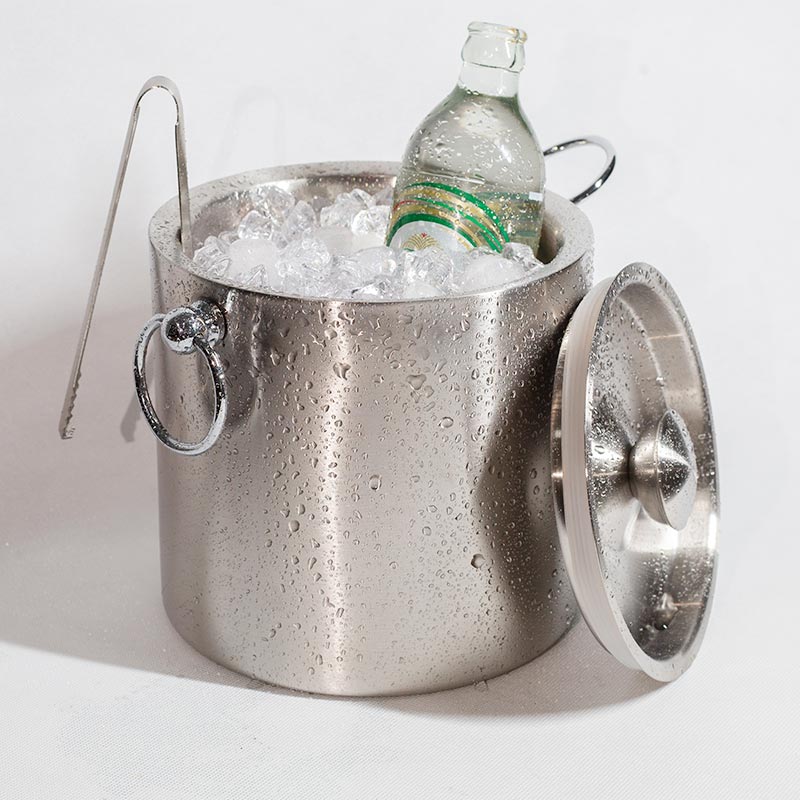
Ice retention is the first real test
Ice retention is the most visible performance standard. A good ice bucket slows melting by reducing heat transfer from the environment into the ice chamber. In practical use, this means the bucket should keep ice cubes firm and usable through a meal, a small party, or a bar service period without turning into water too quickly.
Ice retention depends on the bucket’s structure and the way the lid fits. A bucket that allows warm air to circulate freely inside will melt ice much faster. A bucket that reduces air exchange and has stable walls performs better in real service conditions.
Lid design affects both melting speed and hygiene
A lid is not only decorative. It directly impacts how long ice stays solid and how clean the ice remains.
A good ice bucket lid should:
Sit securely and reduce warm-air entry
Be easy to open with one hand during service
Avoid rough edges or gaps where residue can accumulate
Stay stable and not slide off during movement
In hospitality settings, the lid also protects ice from exposure to dust, food particles, and accidental contact. This is especially important when the bucket is used at buffets, outdoor gatherings, or open beverage counters.
Stainless steel material improves durability and presentation
Material influences both lifespan and appearance. For frequent use, stainless steel is valued because it resists impact damage, handles repeated washing well, and maintains a clean look for serving.
A stainless steel ice bucket is also more suitable for commercial environments where equipment must withstand daily handling, stacking, and transport. For buyers who manage restaurant or hotel supplies, a stainless steel build helps reduce replacement frequency and keeps the serving setup looking consistent.
SENGHO’s Ice Bucket uses stainless steel and is designed for durable daily service in both home and commercial settings.
Surface finishing matters more than many buyers expect
A good ice bucket should not feel slippery, rough, or difficult to keep clean. Finishing affects how fingerprints show, how easily water marks appear, and how the bucket performs during handling.
A sanding finish is commonly chosen for serving tools because it provides a balanced look that suits many environments and helps reduce obvious surface marks during daily use. It also supports easier maintenance compared with overly reflective finishes in high-touch settings.
Size and capacity should match real serving habits
Many buyers choose an ice bucket based on appearance alone, then find it does not match their serving rhythm. A good ice bucket capacity should suit:
The number of drinks typically served in one session
The size of the ice cubes used
The serving environment, such as home table service or bar station use
The frequency of refilling during busy periods
For home use, buyers often prefer a size that supports a full evening without constant refilling. For commercial use, capacity is selected based on service flow, workstation space, and how often staff refresh ice during operation.
Practical handling features improve real service efficiency
A good ice bucket is easy to move, stable when set down, and comfortable for repeated use. In a bar or event environment, staff will lift and reposition it many times. Features that improve handling typically include a balanced body design, stable base, and a lid that stays aligned during movement.
Even small improvements in handling reduce spills and help maintain a clean service counter, especially when the bucket is used alongside beverages, glassware, and garnish stations.
The most important purchasing checklist for B2B buyers
For buyers sourcing ice buckets for retail, hospitality projects, or promotional supply, product consistency and fulfillment terms matter as much as product performance.
SENGHO provides OEM service and supports practical purchasing requirements, including:
Customized logo availability for branding needs
OEM support for bulk supply planning
MOQ suitable for project purchasing
Clear production time expectations for delivery planning
Standard export packaging and optional customized packaging
Flexible payment options for procurement workflows
These factors help importers, wholesalers, and hospitality suppliers reduce risk and keep product supply stable.
Ice bucket specification overview
The table below summarizes common B2B procurement considerations aligned with SENGHO supply expectations.
| Item | What to confirm before ordering | Why it matters |
|---|---|---|
| Material | Stainless steel | Long-term durability and clean presentation |
| Finishing | Sanding | Practical appearance and easier maintenance |
| Logo | Customized logo available | Supports private label and branding |
| Service | OEM | Suitable for wholesale and project supply |
| Packaging | Standard and customized options | Fits retail and export requirements |
| MOQ | Order minimum requirement | Helps planning for bulk procurement |
| Production time | Lead time expectation | Supports delivery scheduling |
| Port | Shipping port confirmation | Simplifies logistics planning |
| Payment | T/T or L/C | Matches procurement preferences |
For buyers who need consistent supply and product control, these details help avoid delays and mismatched expectations.
Why SENGHO is a practical supplier for ice buckets
A good ice bucket is a combination of serving performance, durability, and supply reliability. SENGHO supports buyers with stable product manufacturing, export-oriented service, and OEM capability, making it easier to standardize barware and serving tools across product lines.
SENGHO also offers background strength that supports long-term cooperation, including structured business development and service readiness, which is valuable for buyers who plan repeat orders or multi-market distribution.
You can review product options and request specifications through the SENGHO Ice Bucket page.
Conclusion
A good ice bucket should slow melting, protect ice from exposure, stay easy to handle during service, and maintain a clean professional appearance. Lid fit, stainless steel durability, practical finishing, and correct capacity selection are the core factors that determine whether an ice bucket performs well in real use. For B2B buyers, OEM support, packaging options, and lead-time stability are equally important for predictable procurement.
For reliable stainless steel serving solutions designed for both home and commercial use, SENGHO provides practical options through its Ice Bucket range.
Previous: How Does An Ice Bucket Work?