


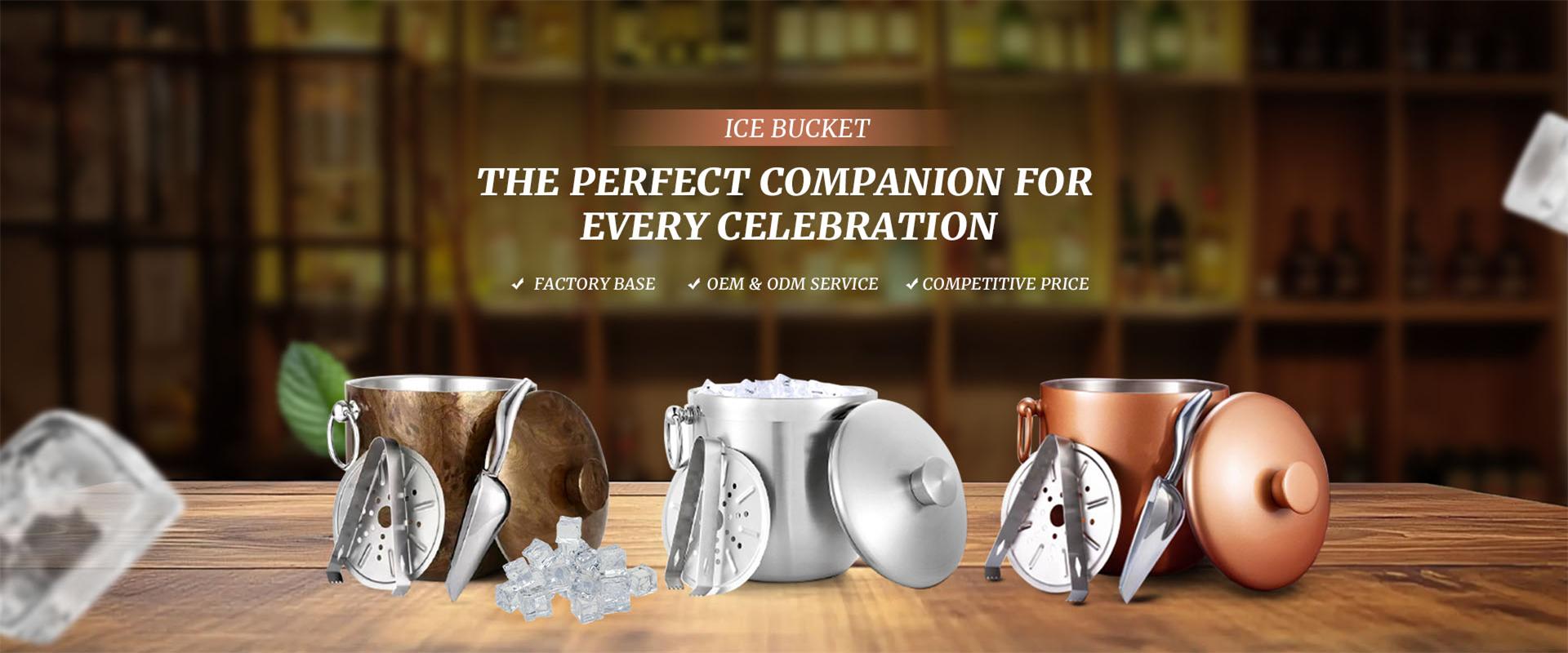
How Does An Ice Bucket Work?
An Ice Bucket works by slowing down how quickly ice absorbs heat from its surroundings. Ice melts because heat energy moves from warmer air, warm hands, and warm surfaces into the ice. The job of an ice bucket is to reduce that heat transfer, keep melted water contained, and make ice easy to serve without creating a wet mess on the table or bar counter.
A good ice bucket does not need electricity or complex mechanisms. It relies on simple physical principles, smart structure, and practical design details such as a fitted lid, durable walls, and a surface finish that supports daily handling. This article explains how ice buckets work in real use, what design elements matter most, and how to choose an ice bucket that performs well in both home and commercial settings. The guidance is aligned with SENGHO stainless steel solutions, including the Ice Bucket designed for serving efficiency and long-term durability.
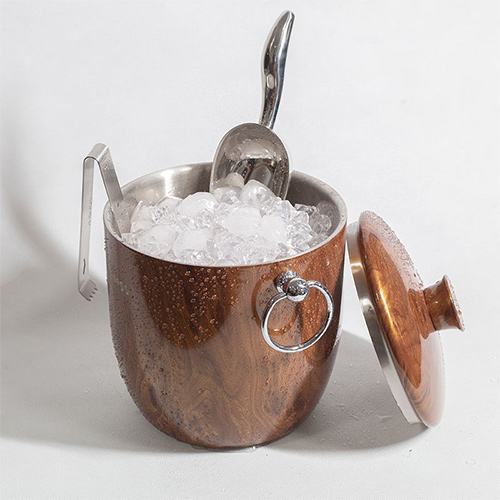
The basic principle: heat moves into ice and causes melting
Ice is stable only when it stays at a low temperature. As soon as it is placed in a warmer environment, it begins to absorb heat energy. That heat comes from three common sources.
Warm air in the room, especially around kitchens, bars, and outdoor patios
Warm surfaces, such as tables, trays, or bar counters
Direct contact, including hands or utensils that transfer heat quickly
When ice absorbs enough heat, it changes from solid to liquid, which is melting. The purpose of an ice bucket is to slow the rate of heat entering the ice so it stays solid longer.
How an ice bucket slows melting in everyday use
An ice bucket works mainly through insulation behavior and controlled exposure. Even when a bucket is made from stainless steel, the structure and usage design can reduce how much warm energy reaches the ice.
A well-designed ice bucket helps in several practical ways.
It reduces airflow directly around the ice
Less warm air movement around the ice means slower heat gain.It reduces contact with warm surfaces
A stable base and appropriate wall structure help limit heat transfer from the table or counter.It creates a controlled storage space
The ice stays in a dedicated container rather than sitting exposed in an open bowl, which melts faster.
The real difference between a bucket that works well and one that does not often comes down to lid fit, internal shape, and whether meltwater is managed properly.
Why the lid matters more than many people think
The lid is one of the most important functional parts of an ice bucket. Without a lid, the ice is exposed to constant warm air exchange. Every time room air moves across the ice surface, it brings in heat and increases melting speed.
A fitted lid helps the bucket work better by:
Reducing warm air entry and circulation inside the bucket
Limiting temperature fluctuation when the bucket is placed near heat sources
Protecting ice from dust and accidental contact during service
Supporting a cleaner look on tables, hotel rooms, and bar stations
In practical service environments, a lid also keeps the ice presentation hygienic, which is important for restaurants, event venues, and guest room setups.
What happens to the melted water inside the bucket
As ice melts, water collects at the bottom. If the ice remains sitting in water, melting can accelerate because liquid water transfers heat to ice more efficiently than air. This is why professional service often focuses on keeping ice in a condition that is as dry as possible.
A good ice bucket design manages meltwater by keeping it contained and making it easy to remove or avoid excessive accumulation during use. When meltwater is controlled, ice stays usable longer, and the bucket remains cleaner and easier to handle.
How stainless steel ice buckets perform in real serving conditions
Stainless steel is commonly chosen for ice buckets because it is strong, stable, and suitable for repeated cleaning. In real use, a stainless steel ice bucket works well when it combines durability with a design that supports controlled exposure and easy handling.
SENGHO’s Ice Bucket is made of stainless steel and uses a sanding finish, which supports a professional appearance and practical maintenance during frequent use. Stainless steel also performs well for hospitality and event service where equipment is moved often and needs to keep its appearance over time.
The role of surface finishing in daily handling
Finishing does not change melting physics directly, but it affects the user experience of using the bucket. In real service, fingerprints, scratches, and water marks reduce perceived cleanliness. A sanding finish can help keep the bucket looking professional in busy environments because it is generally more forgiving during handling and cleaning compared to highly reflective surfaces.
For buyers sourcing serving tools for restaurants or hotels, appearance stability is part of functional value because equipment is always visible to customers.
Ice bucket performance depends on how it is used
Even the best ice bucket can melt ice quickly if it is used incorrectly. In real settings, these habits help an ice bucket work better.
Pre-chill the bucket if possible
A bucket that starts cold will absorb less heat from the ice.Use larger ice cubes when available
Larger cubes have less surface area relative to volume, so they melt slower.Keep the lid on between servings
Every minute the lid is off increases warm air exchange.Avoid placing the bucket near heat sources
Avoid direct sunlight, ovens, and hot beverage stations.Remove excess meltwater when needed
Less water contact helps ice stay solid longer.
These are simple actions, but they make a noticeable difference in melting speed during parties and service periods.
How to choose an ice bucket that works well
When choosing an ice bucket, buyers should focus on design elements that support the working principles described above.
| Feature to evaluate | What it influences | Why it matters |
|---|---|---|
| Lid fit | Air exchange control | Keeps ice colder longer |
| Structure and thickness | Stability and durability | Supports long-term use |
| Material | Cleaning and lifespan | Suitable for repeated service |
| Finish | Appearance and maintenance | Keeps bucket presentable |
| Capacity | Service efficiency | Reduces refill frequency |
SENGHO offers practical stainless steel options that fit these requirements and support both home and commercial use.
Why SENGHO ice buckets are suitable for B2B supply
For wholesale buyers and hospitality procurement, a good ice bucket is also about supply reliability. SENGHO supports OEM service, customized logo availability, and export-oriented packaging options, which helps buyers build consistent product lines and manage ordering schedules more effectively.
You can review details and request specifications through the SENGHO Ice Bucket product page.
Conclusion
An ice bucket works by slowing heat transfer into ice, reducing warm air exposure with a lid, and managing meltwater so ice remains solid and usable longer. The most important functional elements are controlled airflow, clean serving access, and durable structure that supports repeated use. Stainless steel ice buckets are widely used because they combine strength, maintainability, and professional appearance.
For buyers who want a durable serving solution designed for practical use, SENGHO provides stainless steel options through its Ice Bucket range, supporting both daily serving needs and B2B supply requirements.