


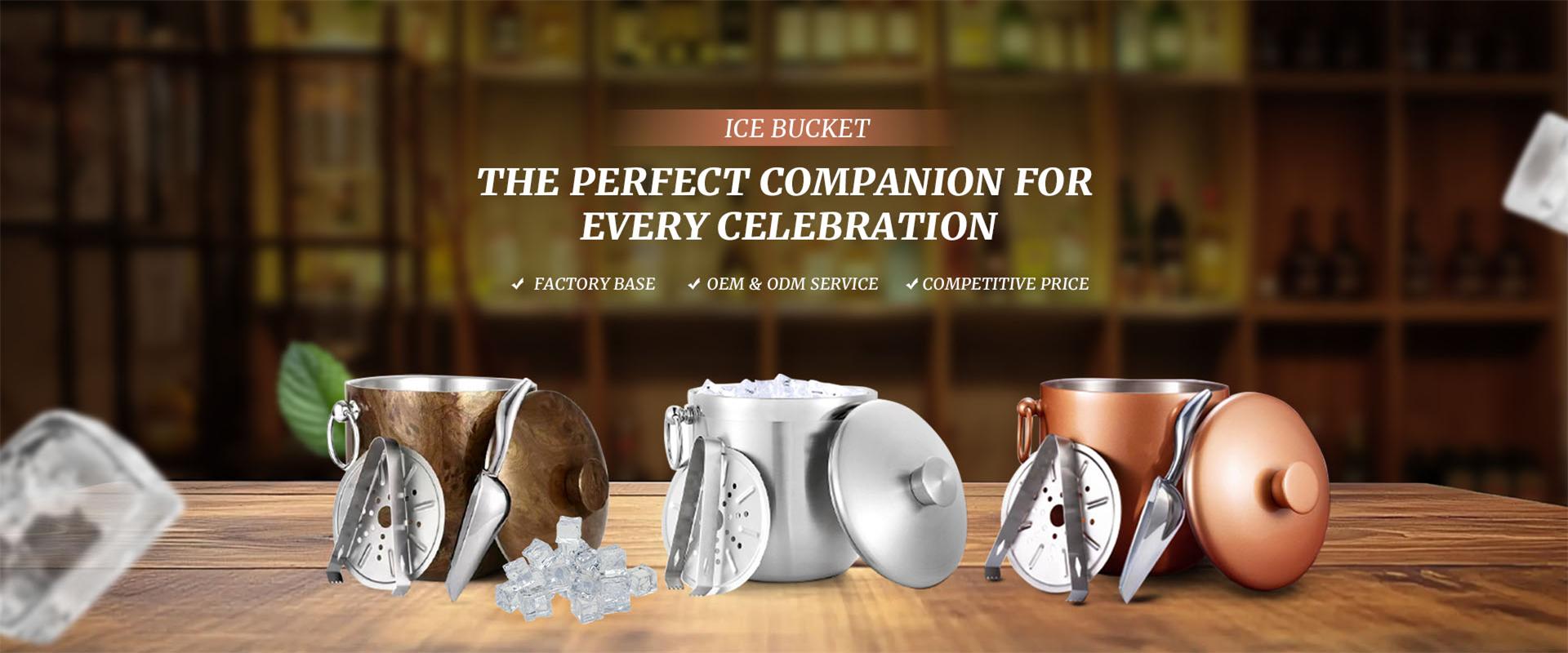
Comparing Ice Bucket Materials: Stainless Steel vs. Plastic
Choosing an Ice Bucket is not only a style decision. The material determines how long ice lasts, how the bucket handles repeated chilling and washing, how it looks after months of use, and whether it fits home entertaining or commercial service. Stainless steel and plastic are the two most common options, but they behave very differently in insulation, durability, hygiene, and long-term appearance.
SENGHO designs its ice bucket lineup with real hosting and service scenarios in mind, where ice retention, easy cleaning, and a premium presentation matter. This guide compares stainless steel vs plastic in a practical way so you can choose the right material for your use case without guesswork.
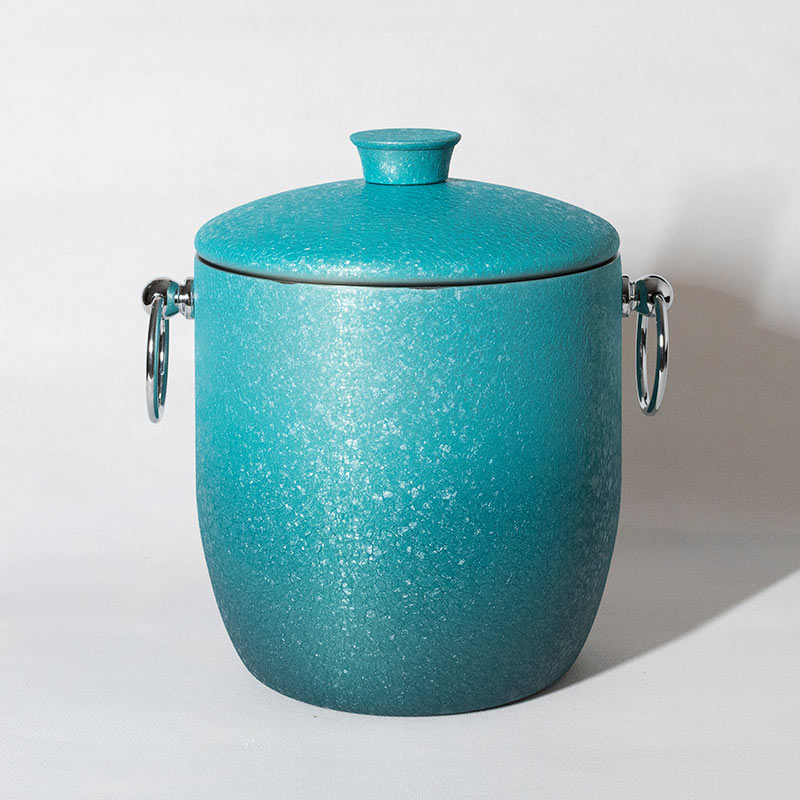
Quick material overview
stainless steel ice buckets are typically chosen for better temperature stability, stronger structure, and a more premium look that suits bars, events, and gift sets. Plastic ice buckets are often chosen for lighter weight and lower upfront cost, especially for casual gatherings or occasional use.
A good comparison starts with how each material manages heat transfer and condensation, because that affects everything else.
Ice retention and temperature stability
Stainless steel generally performs better in ice retention when the bucket uses a double-wall structure and fits well with a lid. The reason is simple: a well-built stainless shell can reduce heat transfer and slow melting, especially when paired with an air gap layer. In busy settings, slower melt means less frequent refills, drier ice, and cleaner serving.
Plastic can vary widely. Thin plastic walls warm up faster and can cause faster melting, especially in warm rooms or outdoor use. Some plastic buckets add thick walls, but plastic alone usually struggles to match double-wall stainless performance under the same conditions.
Key takeaway for ice retention:
If you want longer-lasting ice for cocktails, wine chilling, or service speed, stainless steel is typically the safer choice.
If you only need short-term chilling for a small gathering, plastic may be sufficient.
Condensation, exterior comfort, and tabletop cleanliness
Condensation is not only about appearance. Water on the exterior can drip onto tables, create rings, and make the bucket slippery to carry.
Stainless steel buckets with a double-wall build reduce exterior condensation more effectively, helping keep tabletops cleaner. The outside stays more comfortable to handle during long use, and the bucket is less likely to sweat heavily in humid environments.
Plastic buckets often show more exterior moisture when the wall is thin. They can also develop a slick surface when condensation mixes with fingerprints or bar residue. For outdoor events, this can become a practical nuisance.
Durability and resistance to cracks or dents
Stainless steel is generally stronger under repeated use. It resists cracking and holds up well when moved between freezers, sinks, and service stations. It can dent if dropped hard, but it usually remains functional and stable.
Plastic is lighter but more vulnerable to cracking over time, especially if the material becomes brittle from repeated temperature cycling or if it is dropped when cold. Stress cracks often start near the base, handle joints, or rim.
If the bucket will be used frequently in hospitality, catering, or high-traffic entertaining, stainless steel usually offers a longer service life.
Hygiene, odor resistance, and cleaning experience
Ice buckets sit in a challenging environment: cold meltwater, citrus residue, alcohol splashes, and frequent refilling. Material affects how easily the bucket cleans and whether it holds odors.
Stainless steel is non-porous and tends to resist odor retention. It is easier to rinse clean and less likely to absorb smells from flavored ice, fruit, or infused liquids. It also maintains a cleaner look when cleaned correctly, which matters for open-bar presentation.
Plastic can retain odors and stains more easily, especially if it is scratched or if sugary liquids are left to dry. Over time, small surface scuffs can trap residue and make the bucket look dull.
For buyers who care about hygiene consistency and a clean presentation, stainless steel is usually the stronger option.
Weight, handling, and portability
Plastic is typically lighter, which can be convenient for casual use, picnics, or situations where children may handle the bucket.
Stainless steel is heavier, but that weight often creates a more stable feel on the table and reduces tipping risk when scooping ice. For professional service, stability often matters more than minimal weight.
A practical way to decide:
If portability and low carry weight are your priority, plastic is convenient.
If stability and premium feel are your priority, stainless steel is preferred.
Appearance and long-term presentation
An ice bucket is often part of the display, especially for wine service, home bars, and events.
Stainless steel has a polished, modern look that pairs naturally with bar tools, shakers, and serving trays. It tends to age better visually because it is less likely to discolor. Minor marks can often be cleaned or blended with proper care.
Plastic can look clean at first, but it may scratch, haze, or yellow depending on quality and cleaning habits. In venues where presentation is part of the experience, plastic may look less premium over time.
If you are buying for gifting, hotel rooms, lounges, or a home bar where aesthetics matter, stainless steel usually creates a stronger impression.
Cost and value over time
Plastic often has a lower purchase cost, but replacement frequency can be higher if the bucket cracks, warps, or becomes stained and unpleasant to display.
Stainless steel typically costs more upfront, but it often offers better lifetime value because it lasts longer, stays presentable, and performs more consistently for ice retention.
A simple value rule:
Lower cost now often favors plastic.
Better long-term value often favors stainless steel, especially with frequent use.
Side-by-side comparison
Key differences at a glance
| Factor | stainless steel ice bucket | Plastic Ice Bucket |
|---|---|---|
| Ice retention | Typically better, especially double-wall | Varies, often faster melting in thin-wall |
| Condensation control | Often lower exterior sweating | Often higher sweating depending on wall thickness |
| Durability | Strong, long service life | Lighter but more crack-prone over time |
| Hygiene | Non-porous, odor resistant | Can retain odors and stain if scratched |
| Appearance | Premium, bar-friendly look | Can haze or scratch more easily |
| Weight | Heavier, more stable | Lighter, easier to carry |
| Best fit | Home bar, events, hospitality | Casual use, occasional gatherings |
Which material is better for your use case
Stainless steel tends to be better if you need
Longer ice life for cocktails, wine, or continuous service
A cleaner tabletop with less condensation mess
A premium look for entertaining, gifting, or venues
Better hygiene control with less odor retention
A bucket that stays presentable after frequent washing
Plastic tends to be better if you need
A lightweight bucket for casual transport
Lower initial cost for occasional use
A simple backup bucket for overflow ice
A material you do not mind replacing sooner
The most common buying mistake is choosing plastic for a high-frequency service environment. In that scenario, the bucket often looks worn quickly and performance becomes inconsistent.
Why stainless steel is often the preferred upgrade
Many buyers start with plastic and upgrade to stainless steel after noticing three issues: faster melting, more condensation mess, and a worn appearance. A stainless steel bucket, especially when designed with practical structure and finishing, solves these pain points in a direct, visible way.
SENGHO focuses on building an ice bucket that supports real entertaining and service needs, where the bucket must look good on the table, stay comfortable to handle, and keep ice usable longer. If you are choosing a bucket for repeated use, stainless steel is usually the material that delivers the most consistent experience.
Conclusion
Stainless steel and plastic ice buckets serve different priorities. Plastic wins on light weight and lower upfront cost, making it suitable for occasional use. Stainless steel wins on ice retention, condensation control, durability, hygiene, and long-term presentation, which makes it the better choice for frequent entertaining, home bars, and hospitality settings.
If you want a bucket that performs well and stays premium-looking over time, a stainless steel option is typically the stronger investment. For a product built around those expectations, explore the SENGHO ice bucket designed for reliable chilling and clean presentation.