


What Is a Milk Frothing Pitcher?
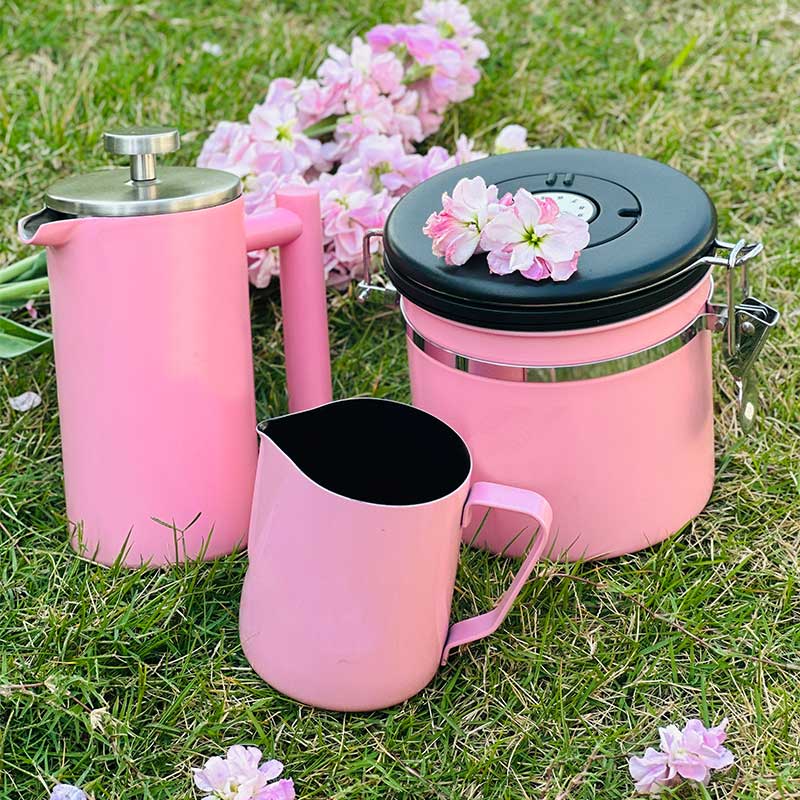
A milk frothing pitcher is a purpose-built jug used to steam and texture milk for espresso-based drinks such as latte, cappuccino, and flat white. Unlike a general kitchen measuring jug, it is engineered for controlled swirling, precise pouring, and stable temperature handling while milk expands and changes texture. A well-designed pitcher helps you create microfoam with a glossy surface, integrate foam and liquid milk into a uniform texture, and pour clean latte art lines without splashing or breaking the crema.
SENGHO produces Milk Pitchers for cafés, baristas, and home espresso users who want consistent results and comfortable handling. Our milk pitcher lineup is designed around real steaming workflow, including smooth rotation in the hand, predictable spout flow, and durable stainless-steel construction that supports daily use.
What a milk frothing pitcher is used for
A milk frothing pitcher is mainly used in three connected steps that determine drink quality.
Steaming and stretching milk
During steaming, the pitcher holds milk while a steam wand injects air and heats it. The pitcher shape and internal volume help the milk roll in a controlled vortex so air is distributed evenly. This is how milk becomes silky rather than bubbly.Texturing into microfoam
After the initial stretching, the goal is microfoam, a fine foam where bubbles are so small the surface looks glossy. A frothing pitcher supports this by letting the barista maintain a consistent swirling motion without sloshing, which helps break down larger bubbles and blend foam into the milk body.Precision pouring and latte art
The spout and lip geometry guide how the milk flows into espresso. A controlled stream helps the milk sink first to mix, then float to form patterns as you change height and tilt. Without the right spout, the flow can be too wide, too fast, or unstable, making art and clean presentation harder.
How a milk frothing pitcher works during steaming
A frothing pitcher does not froth milk on its own, but it makes the physics of steaming easier to control. When the steam wand is positioned correctly, the milk forms a rolling circulation. The pitcher walls contain the motion so the milk spins rather than splashing. As the milk warms, proteins and fats reorganize, allowing the foam to stabilize. The pitcher’s job is to keep the milk moving smoothly through that transformation.
Because the pitcher is metal, it also provides tactile feedback. As the milk heats, the pitcher warms in your hand. This helps many users stop steaming at a consistent temperature point without relying only on a thermometer, especially in fast café workflows.
SENGHO pitchers are designed for stable hand feel and repeatable control. When you are building consistent drinks across multiple staff members or multiple shifts, the pitcher shape and balance matter as much as the espresso recipe.
Key parts of a milk frothing pitcher and what each part does
Understanding the parts makes it easier to choose the right pitcher for your workflow.
The body and diameter
A wider body can encourage a broader rolling vortex, while a narrower body can concentrate motion for smaller volumes. The right diameter helps keep the whirlpool stable so texture develops evenly.The spout
The spout determines stream shape and pour accuracy. A more defined spout supports a narrow, controlled stream for latte art lines, while a rounder lip may pour more broadly and be more forgiving for beginners. The goal is flow you can predict and repeat.The lip and rim thickness
The rim influences how the milk breaks into a stream. A clean rim with consistent thickness helps avoid drips and improves control during the final pour.The handle
The handle affects comfort and safety. A stable grip reduces wrist strain and makes it easier to keep the pitcher angle consistent during steaming. This matters for cafés where steaming is repeated hundreds of times daily.The base stability
A stable base makes it easier to set the pitcher down between steps, especially when dosing milk for multiple drinks.
You can explore SENGHO’s milk pitcher options to match different serving sizes and pouring preferences.
What makes a frothing pitcher different from a regular milk jug
A regular jug can hold milk, but it is not optimized for steaming and pouring. A frothing pitcher is typically made from food-grade stainless steel, shaped to support vortex formation, and finished for easy cleaning. It is also designed to tolerate rapid temperature changes, repeated steaming cycles, and frequent washing without deforming.
Another important difference is the spout. Many general jugs have a rounded pouring edge that spreads flow. A frothing pitcher spout is designed to direct the milk stream so you can control how milk integrates into espresso and how foam sits on top, which is critical for cappuccino definition and latte art contrast.
How to choose the right milk frothing pitcher for your needs
Choosing the right pitcher depends on volume, drink type, and how much control you want during pouring.
Choose a size that matches your cup volume
If the pitcher is too large for the milk amount you steam, the vortex can become weak and foam quality may suffer. If it is too small, milk can expand and overflow. A good match supports stable swirling and safer steaming.Consider your drink focus
If you mainly make cappuccinos, you may want a pitcher that supports thicker foam while remaining pourable. If you focus on latte art, spout control becomes more important for fine lines and clean contrast.Match handle comfort to your workflow
Home users may prioritize easy grip and versatility. Café users often prioritize fatigue reduction and consistent control across multiple staff.Look at durability and cleaning behavior
Stainless steel is preferred because it resists odors and is easy to sanitize. Smooth internal surfaces help reduce milk residue buildup, which supports better hygiene and more consistent flavor.
SENGHO designs pitchers for practical daily use, focusing on reliable build, comfortable handling, and consistent spout performance for controlled pours.
Typical milk pitcher sizes and common uses
Pitcher sizing can be confusing, so a simple reference helps. Actual capacity can differ by design, and the usable steaming volume is usually lower than total capacity to leave room for expansion.
| Pitcher size | Typical steaming volume | Best for |
|---|---|---|
| 350 ml | Small single drink | Cortado, small cappuccino, small latte |
| 600 ml | One to two drinks | Standard latte, cappuccino, flat white |
| 900 ml | Two to three drinks | High-volume service, multiple drinks at once |
If you want consistent microfoam, avoid filling to the top. Leaving headspace gives the milk room to expand and allows vortex motion to form properly.
Why a quality pitcher improves results and consistency
A quality pitcher improves results because it makes your technique easier to repeat. When the pitcher shape supports a stable roll, milk textures faster and more evenly. When the spout is predictable, you can control the stream without fighting splashes or drips. When the handle is comfortable, you can maintain a steady angle and reduce shaking, which helps foam integrate smoothly.
For cafés, consistency is also operational. When multiple pitchers behave the same way, training is simpler and output quality is more uniform. This is why many buyers look for a supplier that can deliver consistent manufacturing across batches.
SENGHO supports product consistency and practical usability in our milk pitcher range, helping buyers source pitchers that perform reliably in daily steaming and pouring routines.
Conclusion
A milk frothing pitcher is a stainless-steel jug designed specifically for steaming, texturing, and pouring milk for espresso drinks. It supports controlled swirling to create microfoam, provides tactile temperature feedback during steaming, and uses a purpose-shaped spout for precise pouring and latte art. Choosing the right size and spout style makes milk texture more repeatable and improves drink presentation. If you want a pitcher built for consistent steaming control and clean pours, SENGHO milk pitchers offer a practical, quality-focused option for both café service and home espresso setups.