



What Size Milk Frothing Pitcher for Cappuccino?
Choosing the right milk frothing pitcher size for cappuccino is one of the fastest ways to improve foam texture, pouring control, and consistency. A cappuccino needs a thicker, more stable microfoam than a latte, and that means your pitcher must leave enough headroom for milk expansion while still allowing good vortex movement during steaming. If the pitcher is too small, milk rises too fast and you lose control. If it is too large, the milk volume may be too low to create a stable whirlpool, leading to big bubbles and weak foam.
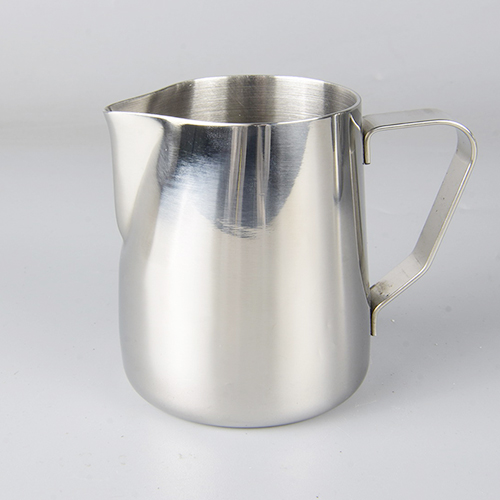
SENGHO designs its milk pitcher to support practical cappuccino workflows, with balanced shape, a pour-focused spout, and durable stainless steel construction for repeated steaming cycles. This guide explains how to pick the correct pitcher size based on cup size and drink count, how much milk to fill, and how pitcher size impacts microfoam quality.
Start with cappuccino milk volume, not pitcher capacity
A cappuccino is commonly built around a smaller milk volume than a latte, but with more foam density. The key is that cappuccino milk expands more during texturing. That expansion requires pitcher headroom.
Practical milk guidance:
A typical cappuccino uses a smaller liquid milk amount than a latte
The final milk volume grows as air is incorporated
The pitcher should not be filled near the top, because steaming needs space for rolling motion and expansion
A reliable rule is to choose pitcher capacity that is about 2 to 3 times the milk you plan to steam, depending on how foamy you like your cappuccino.
The most useful pitcher sizes for cappuccino
Most cappuccino workflows fall into these pitcher sizes. The best one depends on whether you are making one cup or multiple cups at once.
12 oz to 15 oz pitcher
This size range is widely used for a single cappuccino, especially when cup size is around 6 oz. It supports strong control, creates a fast vortex, and makes it easier to build dense microfoam without overheating.
Best fit:
One cappuccino at a time
Smaller cups
Home machines with limited steam power
20 oz pitcher
This is a versatile choice for users who sometimes make one cappuccino and sometimes make two smaller drinks back to back. It offers more flexibility and headroom without feeling oversized.
Best fit:
One larger cappuccino cup or two smaller cups
Users practicing latte art and wanting better pour control
Steaming slightly larger milk volumes for consistent texture
24 oz to 32 oz pitcher
These sizes are typically used when steaming for two cappuccinos at once or for service settings. The extra capacity helps prevent overflow, but it requires more milk volume to create stable rolling action. If you use a large pitcher with too little milk, foam quality often suffers.
Best fit:
Two cappuccinos in one steaming cycle
Busy household or small service workflow
Machines with strong steam power
How much milk to put in the pitcher for cappuccino
Milk fill level matters as much as pitcher size. Underfilling or overfilling changes foam texture.
A practical fill target:
Fill to the bottom of the spout start or around the lower third of the pitcher
Leave enough room for milk to expand and for the whirlpool to form
Avoid filling above halfway for cappuccino, because foam expansion is higher
If you frequently get milk climbing too quickly and spilling, your pitcher is too small or your fill level is too high. If you cannot get a rolling vortex, your pitcher may be too large for the milk volume.
Pitcher size affects microfoam structure and pouring control
Cappuccino foam needs to be dense and glossy rather than airy and dry. Pitcher size influences how easily you can achieve that.
Smaller pitcher with correct milk volume
Creates faster vortex and better air control, often producing denser microfoamLarger pitcher with too little milk
Weak vortex, larger bubbles, less stable foam, and inconsistent textureCorrect pitcher size with proper headroom
Allows stretching phase to be controlled and rolling phase to polish the microfoam
For cappuccino, control is everything. A pitcher that matches your milk volume helps you stop aeration at the right moment and transition smoothly into texturing.
Choose size based on how many cappuccinos you make per batch
This is the most practical decision method, especially for buyers who want consistency.
One cappuccino most of the time
Choose 12 oz to 15 ozOne cappuccino sometimes, two small drinks occasionally
Choose 20 ozTwo cappuccinos regularly
Choose 24 oz or larger, but ensure your machine can steam enough milk effectively
If you are unsure, 20 oz is often the safest single choice because it supports both single-cup and small multi-cup routines with good control.
Cup size and pitcher size pairing guide
| Cappuccino cup size | Milk volume tendency | Recommended pitcher size |
|---|---|---|
| 5 oz to 6 oz | Lower milk volume, higher foam expansion | 12 oz to 15 oz |
| 6 oz to 8 oz | Medium milk volume | 15 oz to 20 oz |
| Two cups in one batch | Higher milk volume | 24 oz to 32 oz |
The goal is not to match cup size exactly. The goal is to match pitcher capacity to the milk volume you steam while preserving headroom.
Why stainless steel matters for steaming performance
Milk steaming is a temperature control process. Stainless steel pitchers respond quickly to heat changes, which helps you stop at the right temperature and avoid burnt milk taste. A well-made stainless pitcher also stays stable during daily use, resists deformation, and remains hygienic with frequent washing.
SENGHO builds its milk pitcher for repeated steaming cycles, aiming for stable handling, consistent shape, and a spout designed for controlled pouring. For cappuccino, that pouring control matters because thicker foam can be harder to direct cleanly into the cup.
Spout shape and pitcher geometry matter as much as size
Many buyers focus only on size, but cappuccino foam is thicker and needs more deliberate pouring. A spout that supports controlled flow helps you place foam and integrate it with espresso rather than dumping foam on top.
Helpful geometry traits:
A spout that provides directional pouring control
A body shape that supports stable vortex formation
A handle position that feels secure during stretching and rolling
These elements directly impact the texture you can produce and how consistent your pours feel.
Common sizing mistakes and how to avoid them
Buying too large for single-cup cappuccino
This leads to weak rolling action and airy foam. The fix is either to use more milk per batch or choose a smaller pitcher.
Overfilling a small pitcher
Overfilling reduces headroom and causes overflow during aeration. The fix is to lower the fill level or size up slightly.
Choosing a pitcher without considering steam power
Smaller home machines can struggle with large milk volumes. If steam power is limited, a smaller pitcher often produces better cappuccino foam because the milk reaches texture temperature faster and more evenly.
Quick decision checklist
Decide if you usually make one cup or multiple cups per batch
Choose a pitcher that gives enough headroom for foam expansion
Confirm you can form a stable vortex with your typical milk volume
Prioritize pour control and consistent geometry for cappuccino foam
Select a durable stainless pitcher that stays stable under daily steaming
If you want a versatile option for most home cappuccino routines, a mid-size pitcher is often the best balance.
Conclusion
For cappuccino, the best milk frothing pitcher size depends on how much milk you steam and how many cups you make per batch. A 12 oz to 15 oz pitcher is typically ideal for one cappuccino, 20 oz offers flexible daily use, and 24 oz to 32 oz works better when steaming for two cups at once with strong steam power. The right size gives enough headroom for foam expansion and supports a stable vortex, which is essential for dense, glossy cappuccino microfoam.
To support consistent results, choose a well-built stainless pitcher with a shape that improves vortex formation and a spout that gives controlled pouring. Explore the SENGHO milk pitcher for practical cappuccino steaming and repeatable foam quality.