


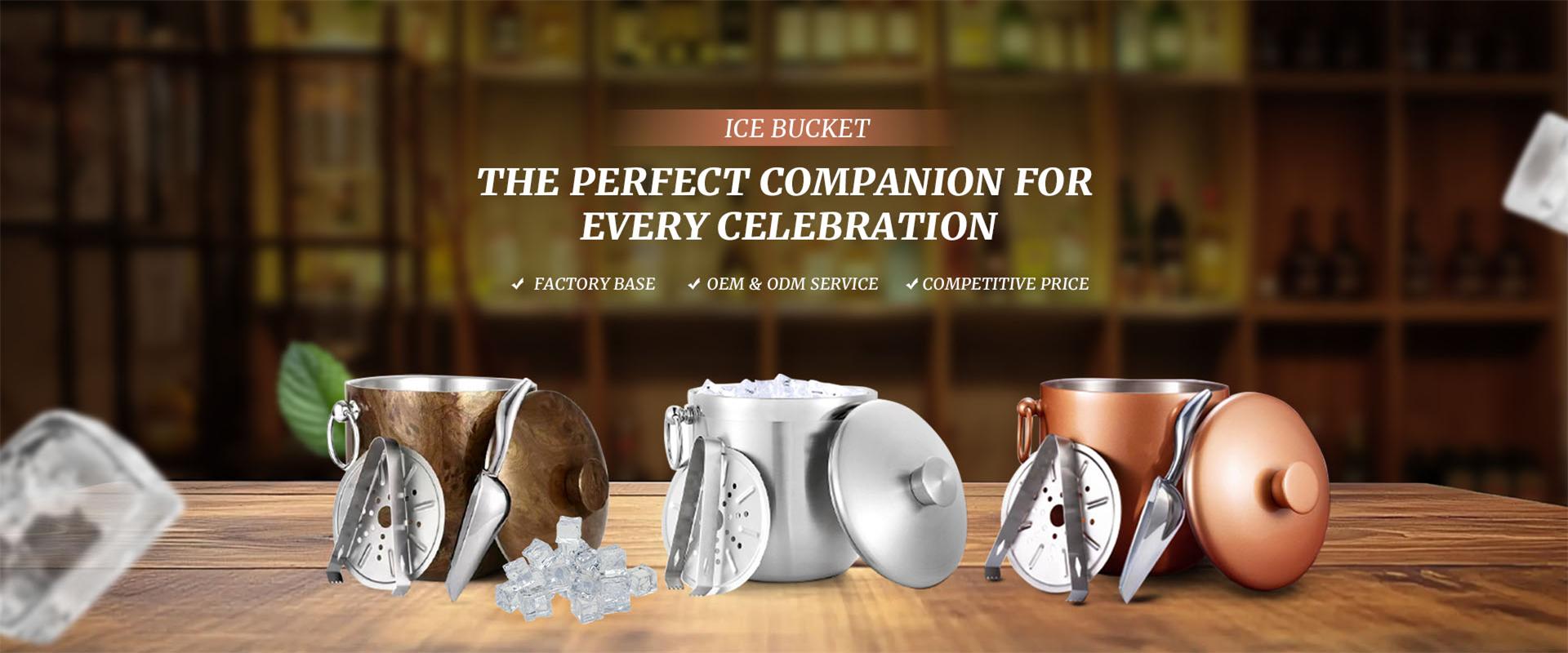
Why Does My Ice Bucket Sweat So Much?
If your Ice Bucket “sweats,” what you are seeing is condensation. Warm, humid air touches the cold outer wall of the bucket, the air cools quickly, and moisture in the air turns into water droplets on the surface. In some homes and event spaces, that condensation can be heavy enough to drip, form puddles, or leave water rings on wood, stone, and bar counters.
The good news is that sweating is usually predictable and controllable. In this guide, you will learn what causes excessive condensation, how different bucket designs change the result, and what you can do in minutes to reduce sweating while keeping ice colder for longer. If you are comparing solutions, you can also review SENGHO’s options here: ice bucket.
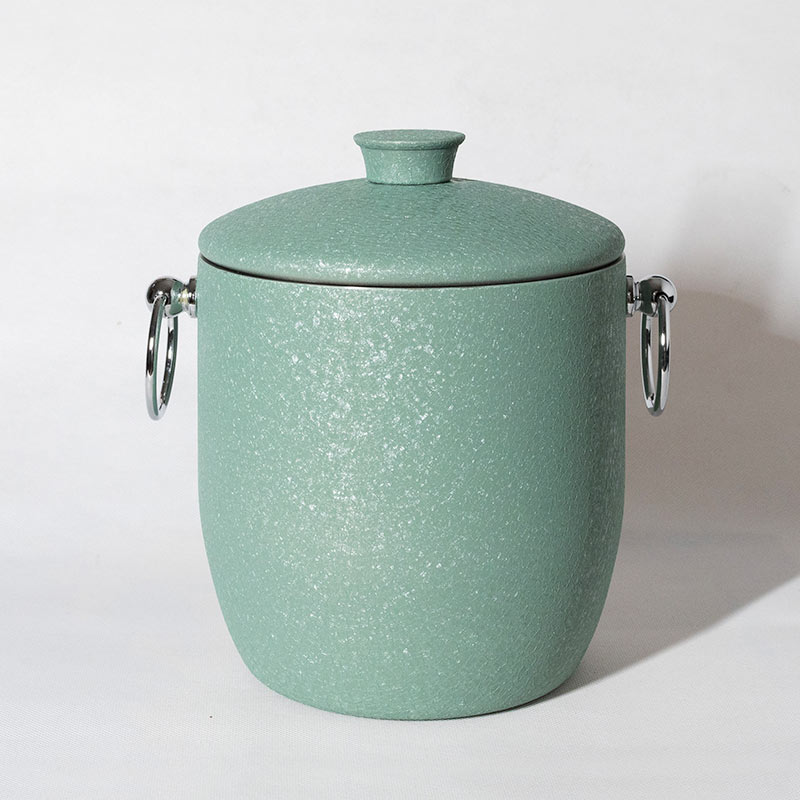
1. The Real Reason Your Ice Bucket Sweats: Dew Point Meets a Cold Surface
Sweating is driven by the relationship between surface temperature and the dew point of the surrounding air.
Dew point is the temperature at which air becomes saturated and water vapor begins to condense into liquid.
If the outer wall of your bucket becomes colder than the dew point, moisture condenses on the outside.
The colder the surface, and the higher the humidity, the faster condensation forms.
That is why an ice bucket can stay dry in a cool, low-humidity room but drip heavily during summer, in coastal climates, or in crowded indoor gatherings. Human activity also raises humidity because breathing, cooking, and open dishwashers add moisture into the air.
2. Why Some Ice Buckets Sweat More Than Others
Two ice buckets can hold the same ice, yet behave very differently. The difference usually comes down to insulation, materials, wall construction, and lid design.
Key factors that increase sweating:
Single-wall metal or thin plastic These transfer cold quickly to the outer surface, making condensation more intense.
High thermal conductivity materials Metals move heat fast. If the bucket is not insulated, the outside gets cold quickly.
No lid or frequent lid opening Warm humid air enters the bucket, melts ice faster, and chills the upper rim area, which often becomes a condensation hotspot.
Cold shock on the exterior If the bucket is placed directly against a cold pack or comes from a cold storage room into warm air, the surface temperature difference can be extreme, producing rapid sweating.
Large temperature swings Warm water poured in to “rinse” a bucket and then immediately filled with ice can create unstable surface temperatures, increasing condensation on certain areas.
Buckets that sweat less often share these traits:
Double-wall construction
Better insulation
Lid that reduces humid air exchange
More stable exterior surface temperature
3. How Room Conditions Multiply Sweating
Sometimes the bucket is not the problem. The environment is. These conditions make sweating look worse:
High humidity Kitchens, patios, poolside areas, and party rooms usually have more moisture in the air.
Warm ambient temperature Warmer air can hold more water vapor. That means more moisture is available to condense.
Low airflow at the surface A bucket placed in a corner or against a backsplash can keep moisture trapped near the surface, encouraging droplets to grow and drip.
Condensation chain reaction Once the surface is wet, droplets merge and run downward faster, creating the appearance of a “leaking” bucket.
If sweating spikes only during certain months or events, humidity and room temperature are likely the main drivers.
4. The Design Features That Reduce Sweating and Keep Ice Longer
If you want a noticeably drier exterior, focus on construction features that reduce exterior cooling.
Double-wall and vacuum insulation
A double-wall creates a barrier that slows heat transfer.
Vacuum insulation reduces heat flow even more, so the outside stays closer to room temperature.
When the outside is warmer, it is less likely to drop below the dew point.
Tight-fitting lid
A lid reduces the humid air exchange that speeds up melt.
Less melt means less cold water contact near the upper walls, reducing condensation near the rim.
A lid also helps ice last longer, which is usually the main reason people upgrade their ice bucket.
Interior drainage and ice separation
Meltwater accelerates heat transfer.
Designs that keep ice above meltwater can slow melting and reduce the bucket’s exterior cold spots.
If your bucket includes an inner liner or strainer, it can improve ice longevity and reduce wet handling.
Exterior finish and geometry
Some finishes make water spread into a film, while others encourage droplets.
A stable base and wider footprint reduce tipping risk when condensation drips.
If you are shopping specifically to reduce sweating, compare construction details and choose an option engineered for insulation rather than a decorative single-wall container. You can explore practical insulated styles on SENGHO’s ice bucket page.
5. Quick Fixes You Can Do Today to Stop the Mess
You do not always need a new bucket. These steps can cut sweating fast in most real-life setups:
Use a coaster, tray, or absorbent bar mat This is the simplest way to protect wood, marble, and painted surfaces. A tray also keeps droplets contained during service.
Add a thin cloth wrap for events For parties, wrapping the bucket with a clean towel or sleeve reduces visible dripping and improves grip. This is common in hospitality settings for presentation and safety.
Keep the lid closed as much as possible Frequent opening adds warm humid air and speeds melting. Use tongs and serve quickly, then close the lid.
Pre-chill the bucket briefly Pre-chilling can reduce early melt, which helps ice last longer. Do not use hot water right before adding ice, because it creates bigger temperature swings.
Avoid placing the bucket near heat and steam Keep it away from ovens, dishwashers, kettles, and direct sunlight. These sources raise local humidity and increase condensation.
Drain meltwater if your bucket design allows If ice sits in meltwater for too long, melting accelerates. Separating ice from water often improves ice life and reduces exterior cold zones.
These steps work best when you combine them: lid control plus a tray alone can solve most “sweating” complaints during gatherings.
6. Troubleshooting: What Your Sweating Pattern Is Telling You
Use the surface pattern to identify what is driving the problem.
Sweating mostly at the top rim This often happens when warm air enters frequently and chills the upper metal ring. Solution: reduce lid opening, use a lid, or choose a design with better rim insulation.
Sweating evenly everywhere Usually indicates single-wall construction or very cold exterior temperature. Solution: add a sleeve or switch to a double-wall insulated bucket.
Large droplets that run quickly This commonly occurs in very humid rooms or outdoor summer use. Solution: tray or mat is essential, and insulation helps.
Sweating only after adding ice Normal early-phase condensation is expected. If it becomes excessive, it points to thin walls or high humidity.
Puddles under the bucket but the walls look dry Check for meltwater leaks from the lid seam, drain feature, or liner seating. Also check that tongs or scoops are not dripping onto the surface.
If your bucket is not damaged but still “sweats a lot,” the most effective long-term fix is usually better insulation plus a stable serving setup.
7. Choosing the right ice bucket for Your Use Case
A good purchase decision starts with how you use ice, not just how the bucket looks. Use the table below as a practical checklist.
| Use case | Biggest problem | Best design focus | Helpful accessories |
|---|---|---|---|
| Home bar, occasional drinks | Water rings on counters | Double-wall insulation + lid | Coaster tray, tongs |
| Parties and gatherings | Fast melting and dripping | Strong insulation + tight lid | Bar mat, extra ice storage |
| Outdoor patio, poolside | High humidity and heat | Insulated body + stable base | Tray, towel wrap |
| Hospitality, frequent service | Speed + clean presentation | Lid control + easy handling | Dedicated drip tray |
| Wine and champagne chilling | Constant condensation | Insulation + easy draining | Absorbent mat, liner |
When comparing products, focus on these practical questions:
Does it have double-wall insulation or an insulated construction that keeps the exterior warmer?
Is there a lid that reduces humid air exchange?
Is the base stable and countertop-friendly?
Is it easy to hold, pour, and clean after use?
For buyers who want a balance of presentation, usability, and reduced condensation, reviewing a curated range like SENGHO’s ice bucket line can be a faster way to match features to your needs.
Conclusion
Your ice bucket sweats because the outer surface becomes colder than the dew point of the surrounding air. The wetter your environment and the colder the bucket exterior, the more condensation you will see. Excessive sweating is usually tied to single-wall construction, frequent lid opening, and high humidity conditions.
To reduce sweating, focus on insulation and control: keep the lid closed, use a tray or bar mat, avoid heat and steam zones, and consider an insulated bucket if you frequently host guests or use ice in warm seasons. With the right setup, you can keep ice colder longer and keep your table dry at the same time.