


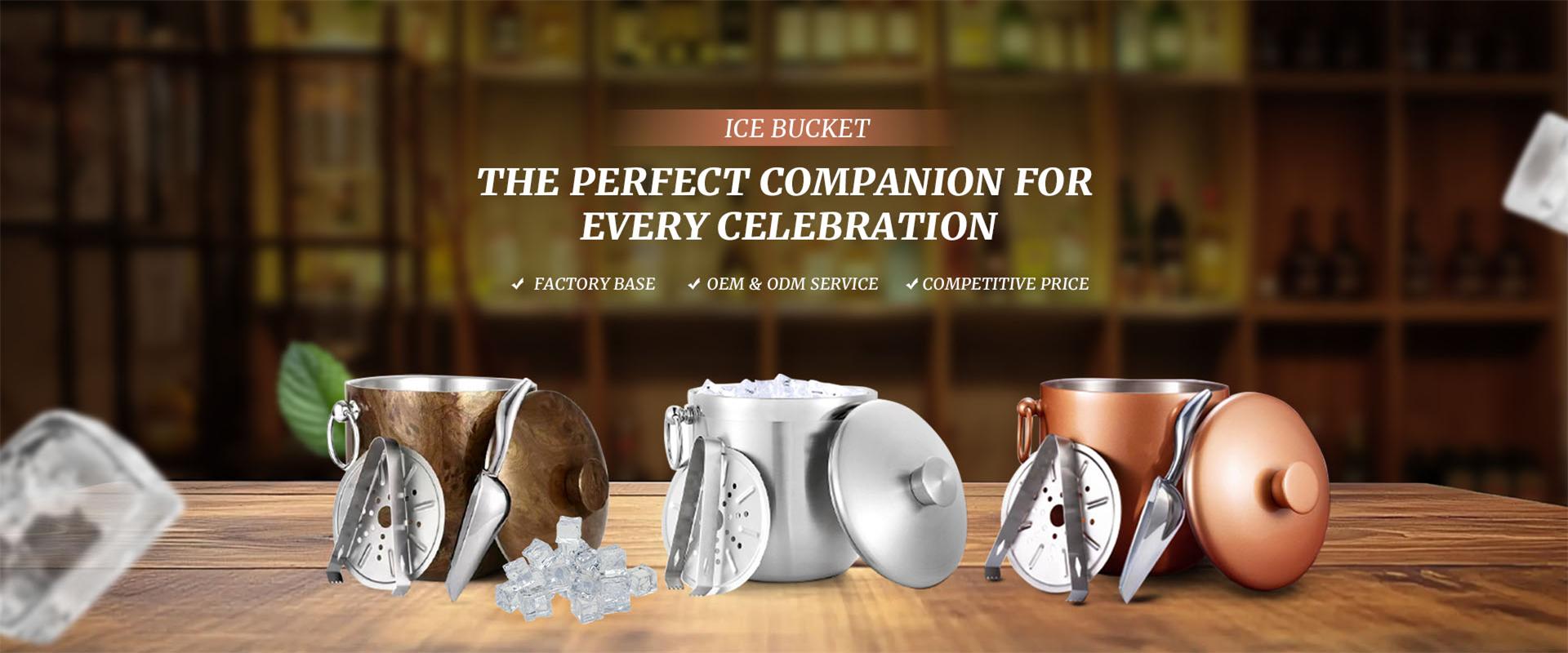
Does An Ice Bucket Keep Wine Colder Than The Fridge?
Whether an Ice Bucket keeps wine colder than the fridge depends on what you mean by colder and on the time frame. A refrigerator is designed to hold a stable low temperature for long periods. An ice bucket is designed to cool a bottle quickly and keep it at serving temperature during service. In real use, an ice bucket often wins on speed and convenience, while a fridge wins on long-term stability.
This article explains the temperature mechanics in plain language, shows when an ice bucket outperforms a fridge, and gives practical steps to keep wine properly chilled without overcooling or watering down the experience. If you want to compare bucket options for home, hospitality, and events, you can reference SENGHO’s product category here: ice bucket.
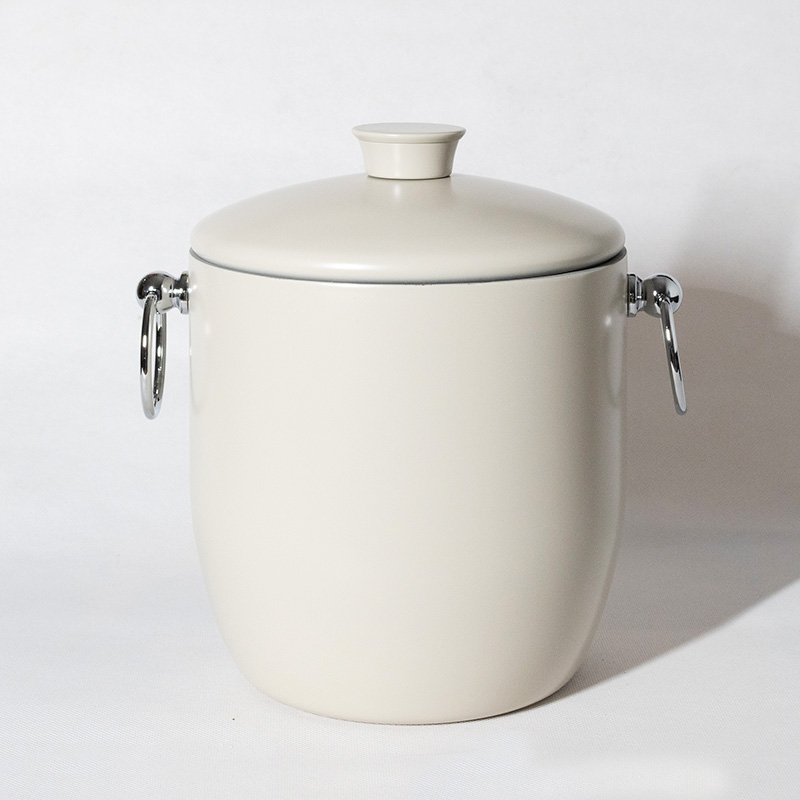
How Cooling Works: Fridge Air vs Ice Water Contact
A fridge mainly cools wine through cold air circulating around the bottle. Air is a relatively weak heat conductor, so cooling is steady but not aggressive. Over time, the bottle approaches the fridge’s set temperature and stays there with minimal fluctuation.
An ice bucket cools through direct contact with ice and meltwater around the bottle. Water transfers heat far more efficiently than air. That is why a bottle placed in an ice-and-water mix can drop toward a target serving range faster than the same bottle placed in the fridge for a short period.
The key difference is contact quality:
In a fridge, only air touches the bottle.
In a bucket, ice and water wrap the bottle, increasing contact area and heat transfer.
This is why people often feel an ice bucket chills wine faster even if the fridge can eventually reach a lower, stable temperature.
When an Ice Bucket Can Keep Wine Colder Than the Fridge
An ice bucket can keep wine colder than a fridge under certain practical conditions, especially during active serving.
It tends to happen when:
The fridge is frequently opened during a gathering, which raises internal temperature repeatedly.
The bottle is removed for pouring and left on the counter between pours.
The room is warm, and the bottle warms quickly once it leaves the fridge.
The bucket is prepared properly, using ice plus water to maximize chilling performance.
In these situations, a bottle in the fridge can warm up faster than expected because it is repeatedly exposed to room air. A bucket at the table can keep the bottle consistently cold because it stays in a cold bath between pours.
This is why restaurants and events often keep white wine and sparkling wine in an ice bucket during service, even if the bottle started cold from a fridge.
When the Fridge Is Better Than an Ice Bucket
A fridge is usually better when your goal is stable storage or long-term chilling without attention.
It wins when:
You need to store wine at a steady cold temperature for hours or days.
You do not want to manage melting ice or wipe condensation.
You are chilling multiple bottles overnight rather than serving immediately.
You want minimal temperature swings and predictable results.
An ice bucket is not a long-term storage device. Ice melts, water warms, and performance changes unless you replenish ice. For extended periods, the fridge is the more consistent choice.
Cooling Speed and Staying Power: A Practical Comparison
The table below summarizes typical real-world differences. Exact results vary by starting bottle temperature, room conditions, bottle size, and how the bucket is prepared.
| Question you care about | Fridge | Ice bucket |
|---|---|---|
| Chills a warm bottle fast | Slower, air-based cooling | Faster, ice and water contact can accelerate chilling |
| Holds temperature for hours without attention | Strong, stable environment | Depends on ice volume and insulation, needs occasional maintenance |
| Best during serving at the table | Bottle warms between pours | Bottle stays in cold bath between pours |
| Risk of overchilling to near-freezing | Possible if left too long | Possible if fully buried in ice-water for long periods |
| Mess and condensation management | Minimal | Needs tray or towel in humid rooms |
| Best use case | Long-term holding and pre-chill | Fast chill and steady serving temperature |
A useful rule:
Use the fridge to pre-chill.
Use an ice bucket to maintain serving temperature during service, especially when bottles are opened and repeatedly exposed to room air.
How to Set Up an Ice Bucket for Better Wine Chilling
Most people fill a bucket with only ice. That works, but it is not the most effective method for fast and even chilling. For performance, the setup matters.
Use these steps:
Add ice, then add water until the ice floats slightly
The water fills gaps between ice cubes and increases contact with the bottle surface, which speeds chilling.Submerge the bottle to the shoulder when possible
More contact area means more heat transfer. If the bottle sits too high, the upper wine warms faster.Rotate the bottle occasionally in the first minutes
This helps even out the temperature across the bottle surface, especially if ice distribution is uneven.Keep a lid or cover nearby if your bucket design supports it
Covering reduces warm air exchange and slows ice melt, especially in warm rooms.Use a tray or coaster under the bucket in humid climates
Condensation is normal. A tray keeps the table dry and prevents water rings.
A well-designed bucket helps this workflow by providing stable footing, comfortable handling, and a structure that slows heat transfer from the room into the ice bath. If your goal is cleaner presentation and better control during service, browse purpose-built options in SENGHO’s ice bucket range.
Common Mistakes That Make Wine Warmer Even With Ice
People often assume that adding more ice always fixes the problem. In practice, these mistakes are the most common reasons a bottle still warms up.
Using only a small amount of ice
Too little ice melts quickly, and the water warms fast.Leaving the bottle outside the bucket between pours
The bottle warms rapidly in room air, then the bucket has to re-chill it repeatedly.Placing the bucket near heat sources
Sunlight, ovens, crowded buffet areas, and warm ventilation increase melt rate.Using a bucket that is not suited to holding cold for service
Thin single-wall containers chill the exterior quickly but may melt ice faster in warm rooms.Overfilling the bucket so the bottle cannot sit properly
Poor contact can reduce chilling efficiency and increase tipping risk.
Fixing these habits often improves temperature control more than changing wine type or fridge settings.
Choosing the right ice bucket for Wine Service
If wine service is a frequent need, the bucket design becomes part of the experience. A good bucket is not only about looks. It is about how reliably it supports temperature control and table practicality.
Look for these buyer-focused criteria:
Capacity that matches your bottle size and serving style
A tight fit can improve contact. A bucket that is too large can require excessive ice.Stable base and easy handling
A stable base reduces spills. Comfortable grip reduces drop risk when the bucket is wet.Construction that slows heat transfer
Insulated or double-wall styles typically reduce melt rate and keep the bottle at a steadier temperature during long gatherings.Lid option if you serve outdoors or in warm rooms
A lid helps reduce melt and keeps the setup cleaner.Easy cleaning after use
Smooth internal surfaces and practical drainage handling make post-event cleanup faster.
SENGHO focuses on ice bucket solutions for practical beverage service scenarios, making it easier to match bucket style to usage such as home bars, event service, and hospitality settings. For a quick view of available styles and capacities, start here: ice bucket.
Conclusion
An ice bucket does not always keep wine colder than the fridge in every situation. A fridge is better for long-term stable cooling. An ice bucket often performs better during active serving because it cools faster through ice-water contact and keeps the bottle consistently cold between pours, even when the room is warm and the bottle is frequently handled.
For the best results, pre-chill wine in the fridge, then use a properly prepared ice bucket with ice and water to maintain serving temperature at the table. With the right setup and a bucket designed for service practicality, you can keep wine colder where it matters most, in the moments people are actually pouring and drinking.