


How To Stop My Black Ice Bucket From Showing Scratches?
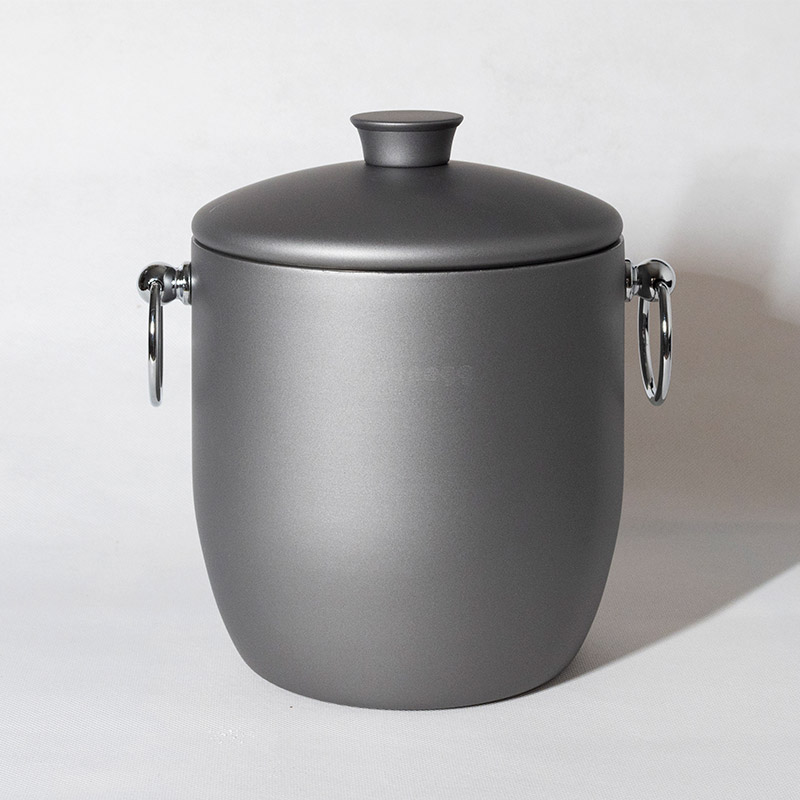
Black Ice Buckets look premium because they create strong contrast on a bar cart, countertop, or event table. The trade-off is that black finishes can make light-colored scuffs, micro-scratches, and water marks easier to see under bright lighting. In most cases, the bucket is not suddenly “wearing out.” What you are noticing is a combination of surface friction, hard contact from tools, and the way black finishes reflect light.
This guide explains why scratches show up so clearly on black ice buckets, how to prevent them during daily use, and how to reduce the appearance of existing marks without damaging the finish. If you are comparing designs built for beverage service, you can review SENGHO’s options here: ice bucket.
Why Black Ice Buckets Show Scratches More Easily
Scratches are easier to notice on black surfaces for two main reasons.
Contrast makes scuffs obvious
A scratch often exposes a lighter underlayer or changes the way the surface reflects light. Even very fine marks can appear as white lines or hazy areas on black.Light reflection exaggerates surface texture
Black finishes often look “mirror-clean” when new. Once micro-abrasions appear, they scatter light and form a dull patch that stands out, especially under overhead LEDs and sunlight.
It also matters what type of black finish you have. Matte black tends to hide fingerprints better but can show light scuffs. Gloss black can show swirl marks more clearly. Some coatings are harder than others, so performance varies by product construction.
The Most Common Causes of Scratches on a Black Ice Bucket
Most scratches come from a few repeatable habits. Once you identify the source, prevention becomes straightforward.
Metal tongs scraping the rim and inner wall
The rim area is a frequent contact point. Repeated scraping creates thin lines that are easy to see on black.Ice scoops and stainless bar tools hitting the bucket
Bar tools are usually harder than the coating. Impacts create scuffs, especially when the bucket is partially empty and tools hit the sidewall.Stacking or nesting buckets during storage
Black surfaces rubbing against other hard surfaces in storage can create circular rub marks.Sliding the bucket across countertops
Stone, quartz, and stainless counters can create friction abrasion under the base.Abrasive cleaning pads and powder cleaners
Many “kitchen scrubbers” are too aggressive for coated finishes. They leave micro-scratches that look like haze rather than one deep line.Trapped sand or grit in towels
A towel that looks soft can still scratch if it carries hard particles.
If you see fine, evenly distributed haze, cleaning tools are usually the cause. If you see deeper lines near the rim, it is usually tongs and scoops.
Daily Use Habits That Prevent New Scratches
You can dramatically reduce scratches without changing your routine much. The goal is to reduce hard contact and friction in the highest-touch areas.
Use silicone-tipped or coated tongs for service
Soft tips reduce rim scraping and lower the chance of leaving visible marks.Add ice by pouring, not scooping against the wall
When you scoop, keep the scoop centered and avoid dragging it along the interior.Keep ice level higher during service
When the bucket is nearly empty, tools hit the sidewall more often. Maintaining a moderate ice level reduces side impacts.Place the bucket on a bar mat or coaster tray
This prevents base abrasion and stops the bucket from sliding on hard counters.Do not stack black buckets directly together
If you must stack, separate them with a soft cloth or protective sheet.Avoid contact with sharp rings, watches, and belt buckles
This matters most in event service where people carry the bucket.
A small change like switching tong style plus using a bar mat solves the majority of “why does it scratch so easily” complaints.
Cleaning Without Creating More Micro-Scratches
A black bucket can look scratched when it is actually covered by mineral film or residue. The right cleaning method removes marks without adding new haze.
Cleaning principles that protect black finishes:
Wash with mild dish soap and warm water
This removes oils and residue that can make the surface look dull.Use a soft microfiber cloth
Microfiber reduces friction abrasion and helps lift residue without scrubbing pressure.Rinse thoroughly
Cleaner residue can dry into a film that looks like scuffing.Dry immediately
Air-drying in hard water areas can leave mineral spots that resemble scratches.
Avoid these common mistakes:
Abrasive sponges and scouring pads
Powder cleaners that rely on grit
Strong solvents that can soften or discolor coatings
Scrubbing in circles with pressure, which can create swirl patterns
If you operate in a commercial environment, standardize cleaning cloths for black surfaces and keep them separate from cloths used on counters and floors to prevent grit transfer.
How to Reduce the Appearance of Existing Scuffs
You cannot truly remove a deep scratch without refinishing, but many “scratches” are actually surface transfers or shallow scuffs that can be improved.
Try this order of actions:
Remove surface transfer first
Light scuffs are sometimes metal transfer from tongs or utensils. Gentle soap cleaning followed by a careful wipe can reduce the contrast.Check under strong light from multiple angles
What looks like a scratch under one angle can be residue under another. This prevents unnecessary aggressive cleaning.Use a soft cloth with slightly increased dwell time
Let mild soap solution sit briefly, then wipe gently. Rushing and scrubbing usually makes it worse.Improve the finish uniformity through consistent drying
Uneven water spots make scratches look sharper. Uniform drying often makes the surface look cleaner and less “marked.”
If the bucket has a removable inner liner or insert design, using it consistently can reduce tool contact with the finished outer body and slow future scuff buildup. When comparing options, choose a design that supports service tools without forcing them to scrape the coated shell. You can review product structures and styles on SENGHO’s ice bucket page.
Choosing Accessories That Protect a Black Ice Bucket
Accessories do not need to be complicated. The best ones reduce friction and hard contact.
Bar mat or drip tray
Protects the base and prevents sliding scratches on counters.Soft-tip tongs
Reduces rim wear and stops the most visible scratch lines.Bottom grid or separator insert
Helps tools stay centered, reduces sidewall impacts, and can improve handling during service.Dedicated storage sleeve or cloth
Prevents storage rub marks and keeps the finish from contacting other items in a cabinet.
If you often use the bucket outdoors, also consider a cover or lid option to reduce debris. Small particles can act like sandpaper during wiping.
What to Look for When Buying a Black Ice Bucket That Stays Looking New
If you are selecting a black bucket specifically for long-term appearance, evaluate it as a service tool, not only as décor.
Key purchase checks:
Finish durability and uniformity
A consistent, well-applied finish tends to resist uneven scuff patterns and looks cleaner after repeated wipe-downs.Edge and rim design
A rim that is shaped for tool use reduces scraping pressure. This matters more than people expect.Structure that keeps tools away from the outer wall
Inserts, liners, or well-proportioned geometry reduce accidental impacts.Stable base
A stable base reduces sliding and tip events, both of which cause scratches.Cleaning convenience
A design that rinses clean easily reduces the need for scrubbing, which reduces micro-scratch accumulation over time.
For buyers sourcing for events, hospitality, or frequent home entertaining, selecting a bucket built for repeated service and cleaning cycles is often more valuable than selecting based on appearance alone.
Conclusion
Black ice buckets show scratches more because contrast and light reflection highlight even small surface changes. Most visible marks come from rim scraping with tongs, sidewall impacts from scoops, sliding on hard counters, and abrasive cleaning tools. To stop scratches from showing so easily, focus on prevention: use soft-tip tongs, keep the bucket on a bar mat or tray, avoid stacking without protection, and clean with mild soap and microfiber while drying immediately.
If you want a setup that stays presentable through frequent use, choose an ice bucket design that supports service tools comfortably and minimizes hard contact with the finished exterior. For style and structure options intended for beverage service, start with SENGHO’s ice bucket range.