


Can You Put Soda Cans in an Ice Bucket?
Yes, you can put soda cans in an Ice Bucket, and it is one of the most practical ways to keep canned drinks cold during parties, outdoor gatherings, or busy service periods. The key is doing it in a way that chills efficiently, avoids messy overflow, and keeps the bucket clean and presentable. Many “problems” people associate with chilling cans in a bucket, such as too much meltwater, sticky residue, or scratched finishes, are caused by setup and handling rather than the idea itself.
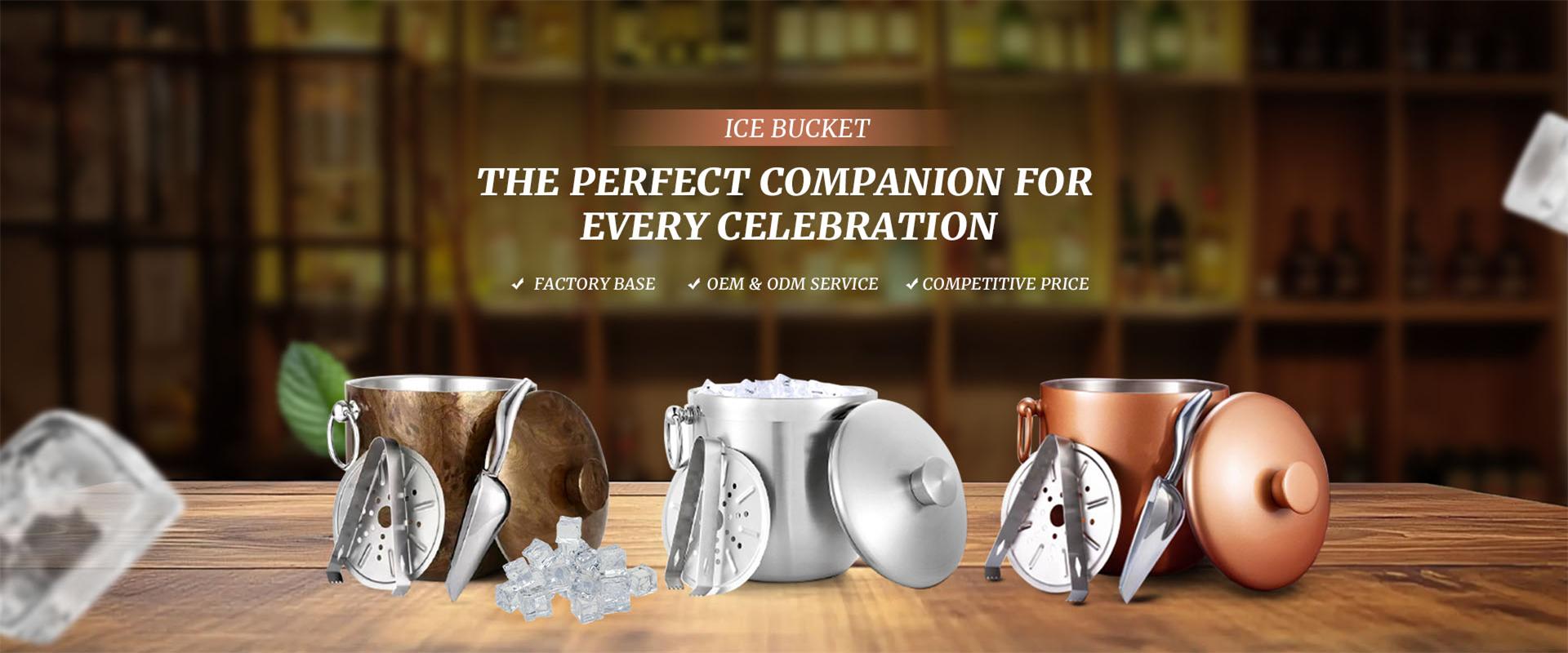
This guide explains the best way to chill soda cans in an ice bucket, how long it usually takes, what can go wrong, and how to keep the bucket hygienic and looking new. If you are selecting a bucket intended for beverage service, you can reference SENGHO’s options here: ice bucket.
1. Why Ice Buckets Work Well for Soda Cans
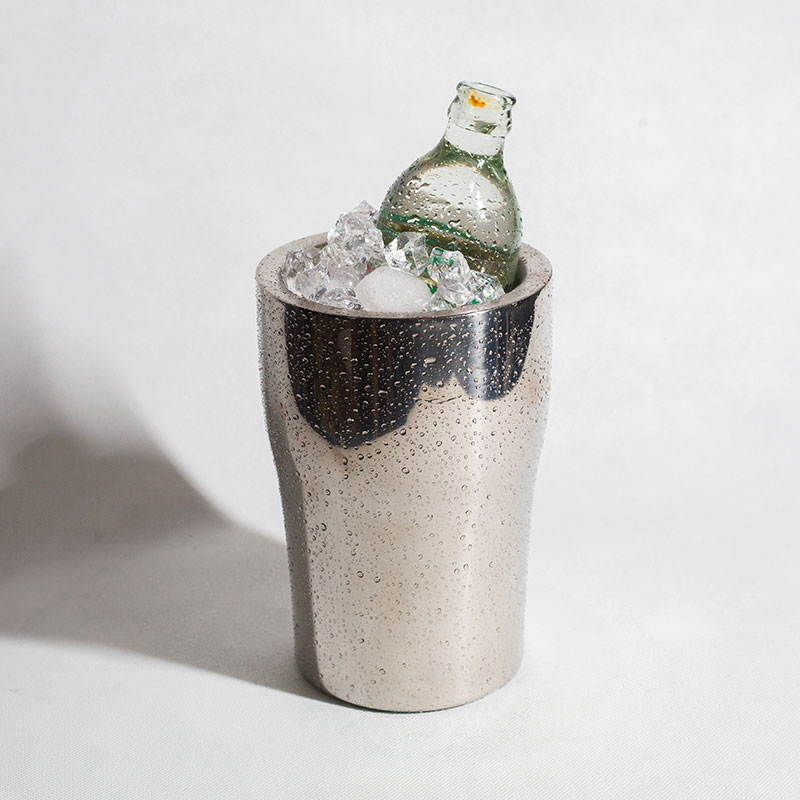
Soda cans chill faster in an ice bucket than on a countertop because the can has full contact with cold materials. The more contact area you create, the faster the can loses heat.
An ice bucket is especially useful when:
You want consistent cold drinks at the table without repeated trips to the fridge
The refrigerator is full or frequently opened during an event
You are serving multiple drink types and want one visible, easy-access chilling station
You need portable cooling for patios, picnics, BBQs, or catering setups
For service, the biggest advantage is stability. When cans sit in the bucket between grabs, they stay cold rather than warming up in room air.
2. The Best Setup for Chilling Cans Fast Without Wasting Ice
Many people use only ice and wonder why the cans are not cold enough. The most effective setup is usually a controlled ice bath rather than dry ice alone.
Recommended setup steps:
Start with a base layer of ice
Add cans so they are spaced rather than tightly wedged
Add more ice around and between the cans
Add a small amount of water so the ice begins to float slightly and fills air gaps
Keep the bucket in shade and away from heat sources
Why a little water helps:
Air is a poor conductor of heat, so “dry” ice piles leave air pockets that slow chilling
Water fills gaps, increases contact with the can surface, and improves cooling consistency
More consistent contact means fewer half-chilled cans and less time spent re-chilling
If your environment is humid, plan for condensation and meltwater by placing the bucket on a tray or bar mat.
3. How Long Does It Take to Chill Soda Cans in an Ice Bucket?
Chilling time depends on starting temperature, ice amount, whether you add water, and how often the bucket is opened. The table below gives practical expectations for common situations.
| Starting point | Ice setup | Typical result | What to do for best outcome |
|---|---|---|---|
| Room-temperature cans | Ice only | Cools, but uneven and slower | Add a small amount of water for better contact |
| Room-temperature cans | Ice + a little water | Faster and more even chilling | Keep cans surrounded and rotate occasionally |
| Fridge-cold cans | Ice only | Maintains cold | Keep bucket shaded and reduce lid opening if available |
| Mixed temperatures | Ice + a little water | Brings most cans to similar chill level | Place warm cans deeper and closer to ice-water zone |
Practical serving tip:
If you expect heavy consumption, start with more ice than you think you need, because opening the bucket repeatedly adds warm air and speeds melt.
4. What Can Go Wrong and How to Prevent It
Putting soda cans in an ice bucket is safe, but certain issues come up repeatedly. Most are easy to prevent with simple habits.
Common issues and fixes:
Sticky residue on the bucket interior
This usually happens when spilled soda or leaky cans mix into meltwater. Rinse the cans before chilling if they were stored in dusty areas, and remove any damaged cans. After the event, wash the bucket with mild soap and rinse thoroughly.Too much meltwater and soggy labels on other drinks
Meltwater is normal. If you are chilling cans only, label damage is not a concern, but overflow can be. Use a tray under the bucket and drain meltwater if your workflow allows. Keeping the bucket out of sun reduces melt rate.Cans floating and not chilling evenly
Add more ice and a small amount of water to improve contact, then push the cans down so the cold bath contacts most of the can body.Scratches on black or coated finishes
Scratches usually come from metal tools, gritty cloths, or sliding the bucket on stone countertops. Use soft-tip tongs if needed, place the bucket on a bar mat, and clean with a microfiber cloth rather than abrasive pads.Hygiene concerns from submerged cans
The outside of a can touches mouths, hands, and storage surfaces. If the can top might contact dirty surfaces, wipe the can top before opening, or keep cans upright with the tops above meltwater when possible.
5. Hygiene and Food-Safety Practices for Cans in Ice
Cans are sealed, so the drink inside is protected. The main hygiene concern is the can surface, especially the top where people drink from.
Better hygiene habits:
Wipe the can top before opening if it has been stored in garages, warehouses, or outdoor areas
Avoid mixing loose food, fruit peels, or open garnishes into the same bucket used for cans
Replace ice that has become visibly dirty, especially during long events
After use, wash the bucket promptly and let it dry completely before storage
If you run events or high-frequency home entertaining, consider using an ice bucket style that is easy to rinse, easy to wipe dry, and comfortable to carry when wet. SENGHO’s ice bucket range is positioned for beverage service scenarios, which helps reduce cleanup effort when the bucket is used repeatedly.
6. How Many Soda Cans Fit in an Ice Bucket?
Capacity depends on the bucket size and shape, the can format, and how much ice you use. In practice, the “best” capacity is not the maximum number of cans you can force into the bucket. It is the number of cans you can chill while still maintaining good ice contact.
Capacity planning tips:
Leave space for ice between cans rather than stacking cans tightly
Use a wider bucket if you want easy access without crushing ice and causing splashes
If you serve multiple drink types, separate buckets reduce cross-contact and keep the setup organized
A good rule for events:
Use one bucket for active service and keep reserve cans in a cooler or fridge, then refill the bucket as needed. This keeps the bucket colder, drier, and more presentable.
7. How to Choose the right ice bucket for Soda Can Service
If soda cans are a frequent use case, the bucket should be evaluated like a service tool. These features improve real-world performance:
Insulating construction that slows melt
Better insulation helps maintain cold longer and reduces how often you need to add ice.Stable base and comfortable handling
A stable bucket is safer on crowded tables. Comfortable handles reduce spill risk when moving the bucket.Surface that is easy to clean and dry
Smooth interiors and practical shapes reduce scrub time and help avoid water spots.Lid option when used outdoors
A lid can reduce warm air exchange, slow melting, and keep debris away from ice.Finish durability for frequent contact
Soda can chilling involves repeated metal-to-surface contact. Durable finishes and careful cleaning habits help keep the bucket looking new.
For buyers looking to match style with practical beverage service, start with SENGHO’s ice bucket category and select based on insulation needs, capacity, and the setting you use most.
Conclusion
Soda cans can be chilled safely and effectively in an ice bucket, and it is often the most convenient way to keep drinks cold during serving. The best results come from maximizing contact between the cans and the cold bath, which is why adding a small amount of water to ice often chills faster and more evenly than ice alone. To keep the setup clean and the bucket looking new, prevent sticky spills, wipe can tops when needed, avoid abrasive cleaning tools, and use a tray or bar mat to manage condensation and meltwater.
With a bucket designed for beverage service and a simple, consistent setup, you can keep soda cans cold, accessible, and presentable from the first drink to the last.