



How To Use A French Press For Coffee?
A French Press is one of the most straightforward ways to brew coffee with full body and a rich aroma. It uses immersion brewing, meaning the coffee grounds stay in contact with hot water for the entire brew time, then a metal mesh filter separates the grounds from the finished coffee. This method highlights oils and heavier flavor compounds that paper filters often capture, which is why French press coffee typically tastes rounder and more textured. To get consistently clean flavor without bitterness or sediment, the key is controlling grind size, water temperature, steep time, and plunging technique.
SENGHO designs French presses for daily brewing and professional supply programs, with stainless steel construction options suitable for repeated use and stable filtration performance. You can view our range here: French Press
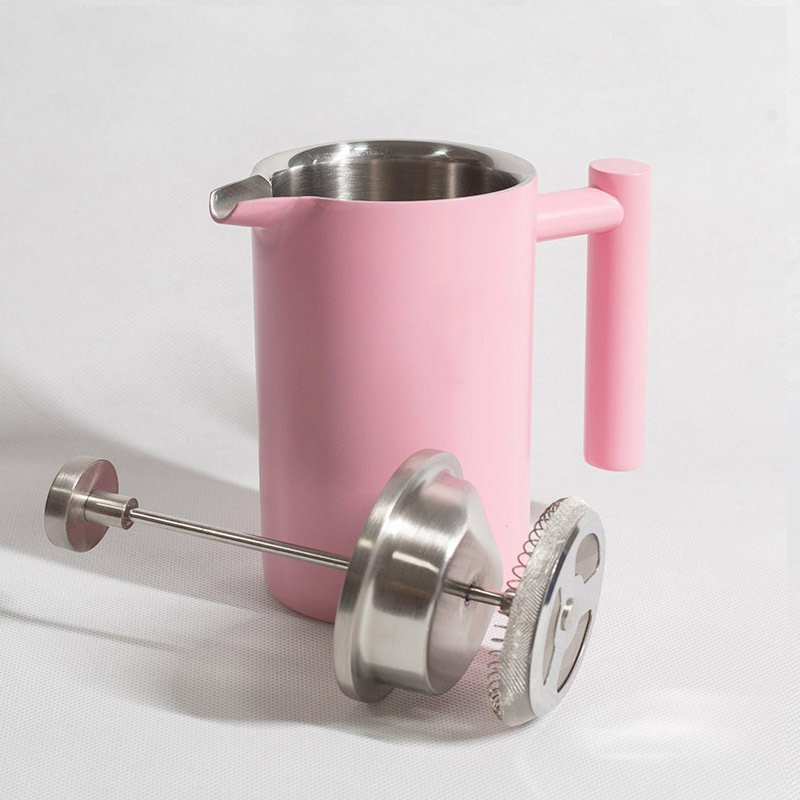
What You Need Before Brewing
French press brewing is simple, but results vary if the inputs are inconsistent. Preparing the right coffee-to-water ratio and setup prevents weak cups, harsh over-extraction, and excessive silt.
You will need:
A French press with a clean filter assembly
Fresh coffee beans or quality ground coffee
A burr grinder if grinding whole beans
A kettle and a thermometer or temperature-controlled kettle
A timer
A stirrer such as a spoon or paddle that will not damage the beaker
If you are brewing for multiple servings, a consistent ratio is more reliable than guessing by scoops. That is also important for café programs and private-label supply because it helps standardize the flavor profile across batches.
Recommended Coffee Ratio, Grind Size, And Water Temperature
French press is forgiving, but it responds strongly to grind and time. A too-fine grind slows filtration and increases bitterness. A too-coarse grind can taste thin.
Recommended starting parameters:
Coffee-to-water ratio
A common range is 1:15 to 1:17 by weight, depending on how strong you want the cup.Grind size
Medium-coarse is typically the most stable. The particles should look like coarse sea salt rather than powder.Water temperature
Hot water that is slightly below boiling helps extract sweetness without pulling excessive harshness. Many brewers use water in the range associated with standard coffee extraction practice, and consistency matters more than chasing an exact number.Steep time
Four minutes is a classic baseline for immersion, then adjust by taste.
Brewing reference table
| Brew Goal | Coffee-To-Water Ratio | Grind Target | Steep Time | Flavor Result Trend |
|---|---|---|---|---|
| Balanced daily cup | 1:16 | Medium-coarse | 4:00 | Rounded body, moderate strength |
| Stronger flavor | 1:15 | Medium-coarse | 4:00 to 4:30 | Heavier body, more intensity |
| Cleaner, lighter cup | 1:17 | Medium-coarse | 3:30 to 4:00 | Lighter texture, less intensity |
Use this table as a starting point. Taste, then adjust one variable at a time.
Step-By-Step French Press Brewing Method
The best French press routine is repeatable. The steps below focus on controlling extraction and preventing bitterness and sediment.
Preheat the French press
Rinse the press with hot water, then discard. Preheating reduces temperature drop during brewing and helps extraction stay stable.Measure coffee and grind correctly
Weigh coffee if possible. Grind to medium-coarse. If you use pre-ground coffee, choose a grind labeled for French press or coarse brewing.Add coffee to the press
Place the grounds in the empty, preheated beaker. Level the bed lightly so water contacts grounds evenly.Bloom with a small amount of water
Pour enough hot water to fully wet the grounds. Stir gently. This releases trapped gases and helps the later pour extract more evenly.Pour the remaining water and start the timer
Pour in a steady stream to the target volume. Place the lid on with the plunger pulled up so heat is retained.Steep without agitation
Let the coffee steep for about four minutes as a baseline. Excess stirring increases fine particles in the cup and can make filtration harder.Break the crust and skim if needed
At the end of steeping, gently stir the top layer once. If foam and floating fines remain, skim lightly. This step can reduce sediment in the final cup.Plunge slowly and evenly
Press down with steady pressure. A slow plunge reduces turbulence and helps keep fines from escaping around the filter.Serve immediately
Do not leave brewed coffee sitting in the press with grounds. Continued contact can over-extract and make the coffee bitter. Pour the coffee into a carafe or cups right away.
This method emphasizes clarity and consistency, especially important for hospitality operations where multiple staff may brew coffee using the same recipe.
Common Mistakes And How To Fix Them
French press problems are usually caused by one or two variables. The most reliable fix is to adjust only one factor at a time.
Common issues and solutions:
Coffee tastes bitter or harsh
Use a coarser grind, shorten steep time, or reduce water temperature slightly. Also confirm you are not leaving coffee in the press after plunging.Coffee tastes weak or watery
Increase dose, grind slightly finer within the coarse range, or extend steep time modestly.Too much sediment in the cup
Use a coarser grind, reduce stirring, plunge more slowly, and consider skimming the crust before plunging.Plunger is hard to press
Grind is too fine or the filter assembly needs cleaning and alignment. Fine coffee can clog the mesh and create high resistance.Coffee cools too fast
Preheat the press and cups. Consider a double-wall or insulated design for better heat retention.
Troubleshooting table
| Problem | Most Likely Cause | Practical Adjustment |
|---|---|---|
| Bitter finish | Over-extraction | Coarser grind or shorter steep |
| Thin body | Under-extraction or low dose | More coffee or longer steep |
| Heavy sediment | Fine grind or agitation | Coarser grind, less stirring |
| Difficult plunging | Grind too fine or clogging | Clean filter, coarser grind |
| Temperature drop | Cold press or cups | Preheat press and cups |
Cleaning And Maintenance For Better Flavor
A French press that is not cleaned thoroughly will retain oils and fine particles that turn rancid over time. That affects flavor more than many people realize.
Good maintenance practices:
Disassemble the filter assembly regularly and rinse each part
Use warm water and mild detergent to remove coffee oils
Check the mesh for deformation that can let fines pass through
Dry parts fully before reassembly to reduce odor buildup
For commercial supply programs, easy disassembly and stable stainless steel filtration components help reduce downtime and keep brewing consistent across repeated use.
SENGHO French press designs focus on durable materials and practical cleaning, supporting stable daily use. You can review our options here: French Press
Selecting A French Press For Consistent Results
Not all French presses filter and retain heat the same way. If you want repeatable outcomes, the structure matters.
Key selection points:
Filter fit and mesh quality
A stable, well-fitted mesh reduces fines and improves plunge smoothness.Beaker and frame strength
A stable frame reduces movement during plunging, especially at larger capacities.Heat retention
Double-wall structures help maintain temperature, which supports extraction stability.Capacity options
Choose sizes that match serving needs to avoid partial brews that vary ratio and time.
For wholesale programs, aligning capacity with typical serving counts reduces waste and simplifies brewing SOPs.
Conclusion
Using a French press well comes down to a repeatable routine: choose a medium-coarse grind, use a consistent coffee-to-water ratio, steep for a stable baseline time, plunge slowly, and serve immediately to prevent over-extraction. When the grind and steep are controlled, French press coffee delivers full body and strong aroma with a clean finish and manageable sediment. Regular cleaning keeps flavors fresh and filtration performance stable.
If you are building a coffee program, selecting French press capacities for hospitality use, or need guidance on choosing the right structure and filtration design, you can consult SENGHO for support. Share your target serving size, preferred cup profile, and usage frequency, and we can recommend suitable French press options and provide practical guidance for setup and daily brewing consistency.