



How Much Coffee In A French Press?
The right amount of coffee in a French Press depends on three practical inputs: how much brewed coffee you want to produce, how strong you want it to taste, and how efficiently your grind and steep time extract flavor. Because French press is an immersion method, small changes in dose noticeably affect body and intensity. The most reliable way to dose is by weight using a coffee-to-water ratio. Once you select a ratio, you can scale it to any French press size and repeat the same flavor profile across batches.
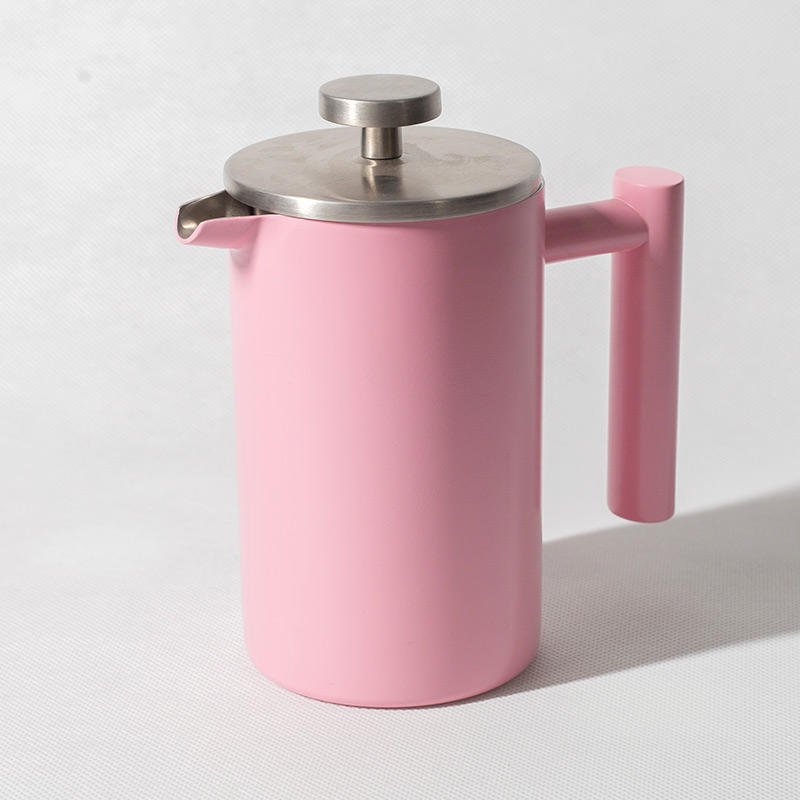
SENGHO French presses are built for consistent daily brewing and scalable beverage programs, and dosing by ratio is the simplest path to repeatable results. You can view our options here: French Press
Start With A Reliable Coffee-To-Water Ratio
A ratio describes how many grams of water you use per gram of coffee. This approach avoids confusion caused by scoop sizes, grind density, and different roast levels.
Practical ratio range for French press:
1:15 for a stronger, heavier-bodied cup
1:16 for balanced daily brewing
1:17 for a lighter, cleaner cup
If you are unsure which to choose, start at 1:16. It typically delivers a full flavor without pushing bitterness, assuming you use a medium-coarse grind and do not over-steep.
French Press Dosing Chart By Common Brew Volumes
French press sizes are often listed in milliliters or ounces. The table below shows how much coffee you need for several common water volumes at different strength targets. This is a practical way to dose whether you brew one mug or multiple servings.
Coffee dosing reference
| Water Volume | 1:15 Strong | 1:16 Balanced | 1:17 Lighter |
|---|---|---|---|
| 300 ml | 20 g | 19 g | 18 g |
| 350 ml | 23 g | 22 g | 21 g |
| 500 ml | 33 g | 31 g | 29 g |
| 600 ml | 40 g | 38 g | 35 g |
| 800 ml | 53 g | 50 g | 47 g |
| 1000 ml | 67 g | 63 g | 59 g |
How to use the table:
Choose the water volume you plan to pour into the press
Pick a ratio based on your strength preference
Weigh the coffee dose that matches
This method also makes it easy to create standardized recipes for cafés, offices, hospitality operations, and OEM beverage programs where repeatability matters.
If You Do Not Have A Scale
Weight is the most accurate method, but you can still get consistent results with a measuring approach if you keep your scoop size and grind consistent.
Practical scoop guidance:
A typical tablespoon of medium-coarse coffee can vary widely depending on grind and roast
For that reason, scoops are best used as a repeatable routine in your own kitchen rather than a universal rule
If you must dose without a scale:
Use the same scoop every time
Keep the grind size consistent
Record the number of scoops that produces the taste you want
Avoid switching between very light and very dark roasts without adjusting, because bean density changes how much fits in a scoop
For procurement teams and multi-site operations, dosing by weight is strongly preferred because scoops introduce too much variation across staff and locations.
Why Coffee Amount Changes The Taste In French Press
French press coffee is sensitive to dose because extraction happens through full immersion. Dose affects both strength and extraction behavior.
What happens when you increase the coffee dose:
The cup becomes more concentrated
Body becomes heavier and oil texture is more noticeable
If steep time is not adjusted, the cup may taste more intense without necessarily becoming more bitter
What happens when the dose is too low:
The coffee can taste thin even if it is technically well extracted
Aroma may feel muted
The finish may seem flat because there are not enough dissolved solids
Dose alone cannot fix bitterness or sediment. Those issues are usually tied to grind size, steep time, and plunging technique, but dose sets the foundation for the cup profile.
Adjusting Coffee Amount Without Ruining Balance
If your coffee tastes off, avoid changing everything at once. In French press brewing, one variable at a time gives faster improvement.
A practical adjustment sequence:
Confirm grind size is medium-coarse
Too fine increases bitterness risk and sediment.Keep steep time stable as a baseline
Four minutes is a common starting point for immersion.Adjust coffee amount in small steps
Change by about 5 percent to 10 percent rather than large jumps.Taste and decide whether to refine time
If you increase dose and the cup becomes harsh, shorten steep time slightly rather than reducing dose dramatically.
This approach is useful for product development and beverage program standardization because it reduces trial-and-error waste.
Match Coffee Amount To Cup Count And French Press Capacity
Many users dose incorrectly because they fill the French press to the top without accounting for displacement by grounds and bloom. A better approach is to decide the brewed coffee output you want, then measure water to that target.
Practical capacity guidance:
If you want two mugs, measure the total water volume needed for two mugs and dose based on your chosen ratio
Do not rely on the printed capacity mark alone, because different presses have different headspace designs
Leave enough space for bloom and stirring so grounds do not overflow
For larger batches, consistent dosing becomes more important because small errors scale into noticeable taste differences.
Supporting Consistency With The Right French Press Design
Even with perfect dosing, some presses produce more sediment or lose heat faster, which changes the perceived strength. A stable press helps you keep results consistent without constant adjustment.
Design factors that support dosing consistency:
Stable filtration assembly that reduces fine particles in the cup
Structure that maintains temperature during steeping
Smooth plunge performance that allows controlled separation without turbulence
SENGHO French presses are designed for repeated brewing and consistent filtration behavior, helping users maintain the same taste profile when scaling recipes for different volumes. You can review our range here: French Press
Conclusion
How much coffee you should use in a French press is best determined by ratio. A practical starting point is 1:16, then adjust toward 1:15 for a stronger cup or 1:17 for a lighter one. Once you choose a ratio, you can scale the recipe to any brew volume and maintain consistent taste. Weight-based dosing delivers the most repeatable results, especially for multi-user environments, and small dose adjustments are the safest way to refine strength without creating bitterness or excessive sediment.
If you are choosing French press capacities for a beverage program, developing a standardized recipe for hospitality use, or want guidance on matching press design to your target cup profile, you can consult SENGHO. Share your preferred serving size, typical brew volume, and flavor goal, and we can recommend suitable French press options and provide practical brewing guidance for consistent results.