


How Long Do Ice Buckets Keep Ice?
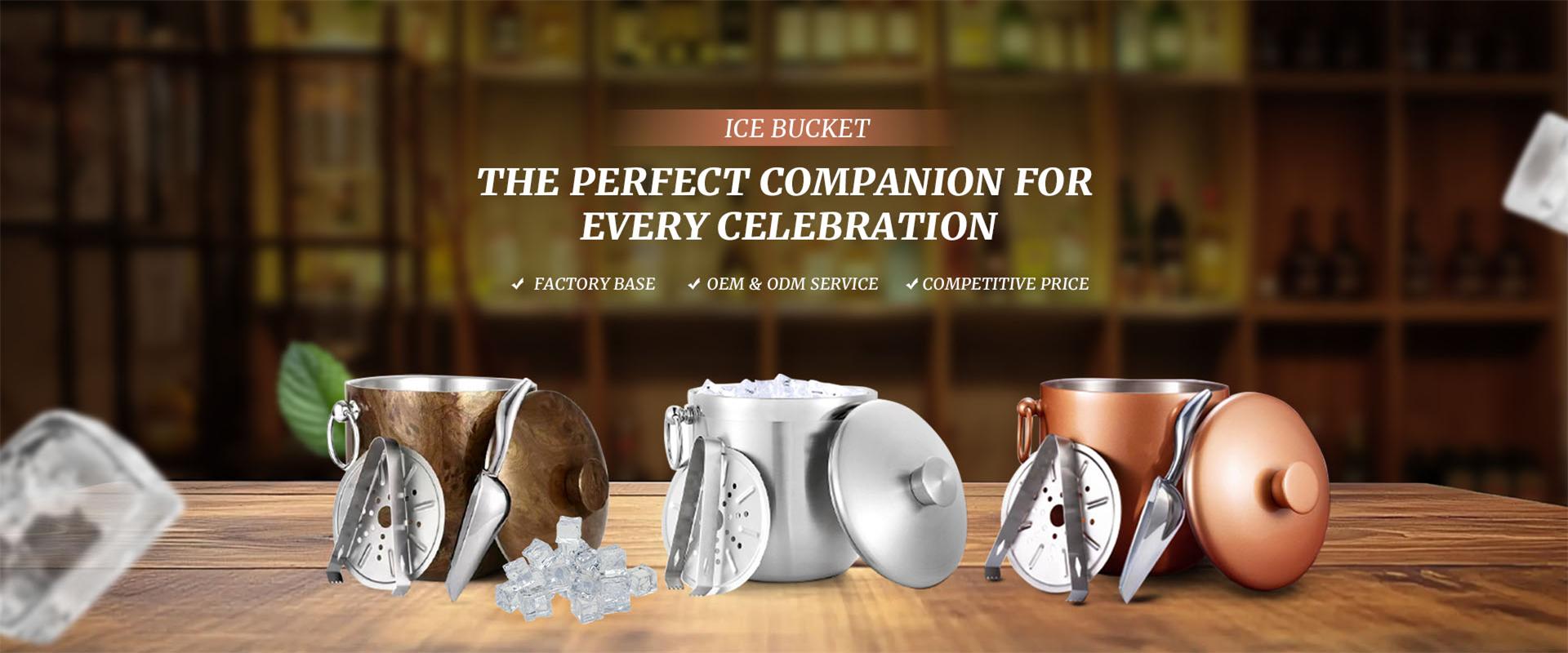
Ice Buckets can keep ice anywhere from about 1–2 hours to 6–12 hours, depending on insulation, lid design, room temperature, and how often the bucket is opened. The biggest difference is whether you are using a basic single-wall bucket or an insulated ice bucket with a tight lid. Ice does not “expire” in a bucket, but it melts steadily as heat enters through the walls, the top opening, and warm air exchanges each time the lid is lifted. Understanding what controls melt rate helps you choose the right bucket for home bars, events, and service work.
SENGHO designs ice buckets for practical use and dependable performance. You can browse options on our ice bucket collection.
Realistic Time Ranges You Can Expect
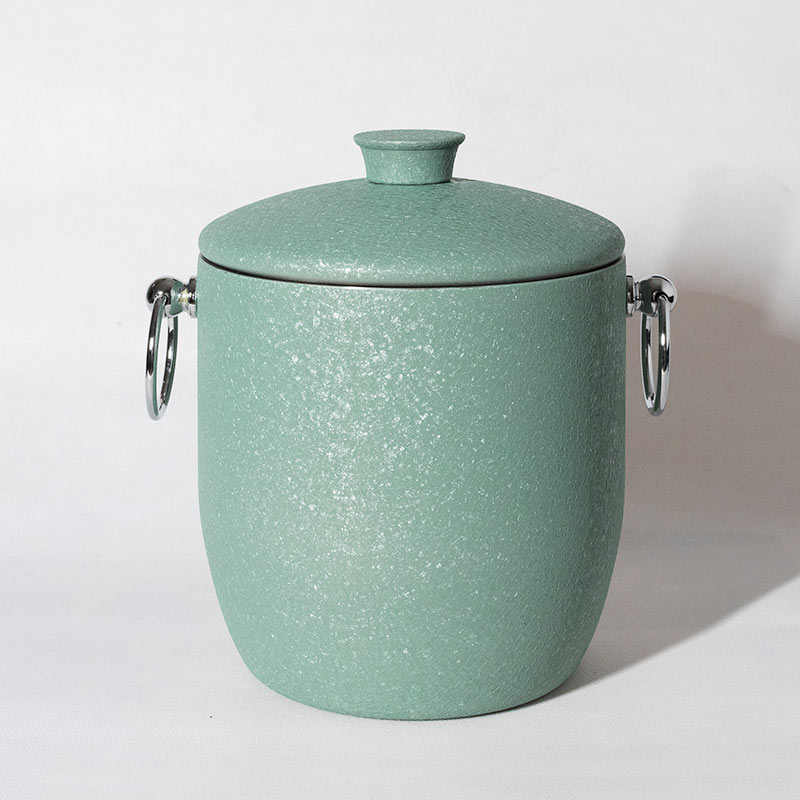
Most people want a simple answer, but the most accurate answer is a range based on bucket type and usage pattern. A single-wall bucket with no lid can start pooling water quickly, especially in warm rooms. A double-wall, vacuum-style bucket with a fitted lid reduces heat transfer dramatically and performs much longer.
Typical expectations for common scenarios:
Single-wall, no lid, frequent opening: roughly 1–2 hours before the ice becomes wet and soft
Double-wall, basic lid, moderate opening: roughly 3–6 hours of usable ice
High-performance insulated bucket, tight lid, minimal opening: roughly 6–12 hours depending on ambient conditions
These ranges assume standard cube ice and indoor use. Crushed ice melts faster because it has more surface area.
What Makes Ice Melt Faster In A Bucket
Ice melts when heat enters the bucket. Heat can transfer through the bucket wall, through the top opening, and from warm water accumulating inside. Several practical factors can cut ice life in half.
First is insulation quality. Double-wall designs slow down heat conduction. Vacuum insulation or foam insulation performs better than an empty air gap. Second is the lid seal. A lid that sits loosely allows continuous warm air exchange and speeds melting. Third is opening frequency. Every time the lid opens, warm air drops in and cold air escapes. Fourth is the starting conditions. A warm bucket, warm tongs, or ice scooped from a melting tray melts faster from the beginning.
Ambient conditions matter too. Warm rooms, direct sunlight, and placing the bucket near a heat source or busy traffic area can noticeably shorten hold time.
The Ice Type Matters More Than Many People Think
The shape and density of ice changes melt speed.
Large cubes and spheres usually last longer because they have less surface area per volume.
Standard cubes perform well for general use.
Nugget and crushed ice melt quickly and are best used when you want rapid chilling rather than long storage.
If your priority is keeping ice solid for hours, choose larger cubes and avoid pre-crushed ice in a bucket.
How To Make Any Ice Bucket Keep Ice Longer
Even without changing the bucket, you can extend ice life with a few habit-level adjustments. The goal is to reduce heat input and slow water buildup.
Pre-chill the bucket by adding ice for a few minutes, then dumping the meltwater before refilling. This prevents the bucket wall from absorbing your “working” ice.
Keep the lid closed whenever you are not actively serving. Lid discipline is often the biggest difference in real use.
Use tongs or a scoop instead of hands. Hands add heat, introduce moisture, and increase melt.
Drain meltwater when possible. Water accelerates melting because it transfers heat efficiently. Some buckets use liners or drainage features to separate ice from meltwater.
Choose the right placement. Keep the bucket in shade, away from appliances, and away from direct airflow from heaters.
These steps apply whether the bucket is for a home bar setup or for event service.
Practical Selection Guide For Different Use Cases
If you mainly use ice for a quick dinner or a short gathering, most buckets can work. If you need stable ice for longer service windows, material and insulation become more important. A stainless steel ice bucket is often chosen for durability, corrosion resistance, and easier cleaning, especially when paired with double-wall insulation and a fitted lid.
| Use Case | Target Hold Time | What To Look For |
|---|---|---|
| Home dining and casual drinks | 1–3 hours | Lid, easy cleaning, stable base |
| Parties and events | 3–6 hours | Double-wall insulation, tight lid, large capacity |
| Hospitality and frequent service | 6+ hours | High insulation, durable build, reliable accessories |
For product options designed around these needs, SENGHO’s ice bucket collection includes configurations that match different serving styles and capacity requirements.
Conclusion
How long ice buckets keep ice depends primarily on insulation, lid quality, and how the bucket is used. For short use, a basic bucket may be enough, but for longer sessions and repeated serving, an insulated design with a well-fitted lid can keep ice usable for many hours. Choosing larger cubes, keeping the lid closed, pre-chilling the bucket, and managing meltwater are the most effective ways to extend ice life.
If you are selecting ice buckets for retail programs, hospitality supply, or a bulk purchase plan, contact SENGHO with your target capacity, service duration, and preferred materials. We can recommend suitable options and share practical guidance to help you achieve stable, long-lasting ice performance.