


How to Choose a French Press for Coffee Shops?
At first glance, a French Press looks like a simple item. Many buyers think the main choice is just size, finish, or price. In real sourcing, it is usually not that simple. For coffee shops, hotels, specialty retailers, and private label buyers, the better question is whether the product will still feel right after repeated daily use, not just whether the sample looks good on the table.
That is why choosing a French press for coffee shops should start from actual use. A café does not buy this kind of item only for display. It needs a product that looks clean in service, feels solid in hand, works smoothly during brewing, and stays consistent across repeat orders. For buyers building a coffee equipment range, this is where product choice starts to affect sales, customer feedback, and long-term supply planning.
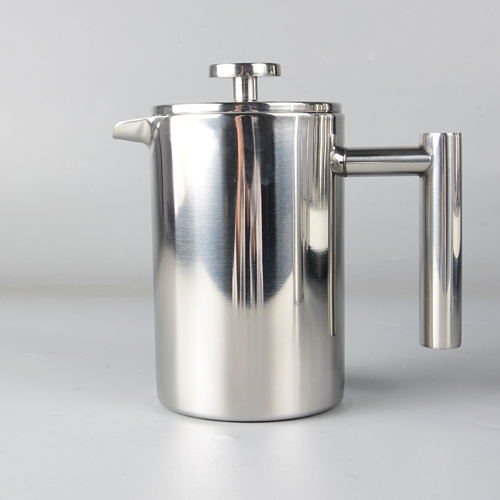
Our stainless steel french press fits this kind of demand well. It is more than a basic brewing tool. It can be positioned for coffee shops, home brewing brands, gift programs, hospitality supply, and OEM coffeeware projects. For buyers working with wholesale or private label channels, that flexibility matters.
Start With Real Café Use
Before choosing any French press, it helps to think about how it will actually be used in a coffee shop. In some cafés, a French press is part of table service. In others, it is sold as brewing equipment for retail customers. Some buyers also use it in hotel rooms, breakfast service, or gift collections tied to coffee culture.
These uses may sound similar, but the buying logic is different. A product for café service needs to look presentable and feel durable during repeated handling. A product for retail needs shelf appeal, stable finish quality, and packaging that matches the brand. A product for hotel or gift channels needs to feel practical and premium at the same time.
This is why many sourcing problems begin when buyers choose a product only from photos. A French press that looks fine in a catalog may feel too light, too plain, or too inconsistent once it reaches the real market.
Material Matters More Than Most Buyers Expect
French presses are handled directly, cleaned often, and expected to keep a clean appearance over time. For coffee shops, that makes material one of the first things worth checking.
A stainless steel body usually gives buyers a stronger starting point because it supports a cleaner look and a more durable feel in daily use. It is also easier to position in markets where customers care about product quality, kitchen safety, and long-term value. For commercial buyers, this matters because complaints about finish, rust concerns, or a weak body can quickly turn a simple product into an after-sales problem.
Our French press uses 304 stainless steel, which is a practical choice for coffeeware buyers who want a stronger balance between appearance and durability. For importers and distributors, this is the kind of detail that supports more stable repeat sales.
The Filter System Should Not Be Overlooked
A lot of buyers spend time comparing the outer body and forget the part that affects the brewing result most: the filter system. In café use, a French press should move smoothly, separate grounds well, and feel stable when pressed down. If the plunger feels rough or the filter does not perform evenly, customers notice it quickly.
This becomes even more important when the product is sold to specialty coffee buyers. That market may accept different brewing styles, but it usually does not accept a poor user experience. If the press action feels unreliable, the product may still sell once, but it becomes much harder to build repeat demand.
For B2B buyers, this means the French press should be evaluated as a functional brewing tool, not just as a metal container with a lid.
Size Should Match The Sales Channel
Capacity is another point that many buyers decide too late. A larger French press may work better for café table service or hotel breakfast programs. A more compact one may be easier to sell in retail, gifting, or home brewing channels.
This is not only about user preference. It also affects carton layout, product weight, packaging design, and price positioning. For wholesale buyers, getting the size right early can save a lot of time later. Once packaging and shipping plans are built around the wrong size, changing direction becomes more expensive than expected.
A good supplier discussion usually starts here. Not with what looks best in a photo, but with which capacity will actually move better in the buyer’s target market.
Finish And Product Style Influence Sales
Coffee equipment is functional, but it is also visual. Buyers who sell to coffee shops and retail brands know that product style has a direct effect on conversion. A French press should fit the atmosphere of the market it enters. Some customers want a clean brushed look. Others prefer a polished finish that feels more premium or gift-oriented.
This is where many OEM projects start to make more sense. The buyer may not need to change the core structure, but may want the product to align better with an existing collection, brand image, or packaging theme. Small appearance adjustments often matter more than large structural changes.
In real business, customers do not always compare technical details first. They often react first to whether the product looks like it belongs in their café, kitchen, or store.
Packaging Should Match How The Product Will Be Sold
For a French press, packaging is not a small detail. A wholesale buyer may need simple packing that protects the product during shipment and keeps costs controlled. A private label customer may need a box that works for ecommerce, retail display, or gift presentation. A hotel supply buyer may need something cleaner and easier to manage in project orders.
This is one reason many bulk orders become more complicated than expected. The product itself may be confirmed early, but the packaging decision is delayed, and then everything starts to move more slowly. Outer box size, insert protection, branding, and shipping method all begin to affect the timeline.
For OEM and ODM cooperation, it is usually better to talk about packaging at the same time as the product, not after the sample is approved.
Coffee Shops Care About Consistency, Not Just First Impressions
In café supply, one good sample is not enough. Buyers need to know whether the next order will look and feel the same. This is where a lot of suppliers lose trust. The first unit looks fine, but repeat production shows changes in finish, body thickness, fit, or filter performance.
For coffee shops and distributors, consistency matters more than a slightly lower price. A product that changes from one shipment to the next creates trouble for display, product reviews, and brand reputation. For private label buyers, this problem is even bigger because the market sees the product as part of their own brand, not as a generic item.
That is why serious buyers usually care about supply stability, communication clarity, and repeat-order control just as much as the product itself.
OEM Works Best When The Buyer Knows What To Change
OEM does not need to mean changing everything. In many cases, the smartest projects are the simplest ones. A buyer may only need logo marking, finish adjustment, custom color box, or small design alignment with other coffee tools in the range.
The key is knowing which part of the product affects sales most in the target market. Some buyers should focus on packaging. Some should focus on the surface look. Others should focus on making the product fit a wider coffeeware collection.
This is where supplier experience matters. The goal is not to make the product more complicated. The goal is to make it more suitable for the customer who will actually buy it.
Where This Product Fits Best
A stainless steel French press works well in several channels, which is one reason it remains attractive for B2B buyers. It can fit coffee shops that want manual brewing options. It can fit home brewing brands that need a reliable core product. It can fit hotel and gift channels where appearance and practicality both matter. It can also work well in outdoor and travel-oriented collections where a more durable body is preferred.
That wider application gives buyers more room to sell. Instead of depending on one narrow market, they can position the same item in different ways depending on their customer base.
For wholesalers and importers, this kind of flexibility reduces risk. A product with broader use is easier to place, easier to reorder, and easier to build into a longer-term range.
Conclusion
Choosing a French press for coffee shops is not really about choosing a simple coffee maker. It is about choosing a product that works in real service, fits the right market, and can stay consistent over time. Material, filter performance, size, finish, packaging, and repeat-order stability all play a role in that decision.
Our stainless steel French press is a practical choice for buyers who want a product that can fit café use, retail sales, gifting, and OEM development without becoming overly complicated. If you are planning a new coffeeware line or comparing suppliers for bulk orders, send us your target market and product requirements. We can help you sort through the key details early and find a direction that makes more sense for your business.