


Ice Bucket vs. Wine Chiller: Which Keeps Wine Cold?
A wine chiller usually keeps a bottle cold more effectively because its shape allows ice and water to surround the bottle. An insulated Ice Bucket can also maintain wine temperature when it has enough internal space, but many ice buckets are designed primarily for serving cubes rather than holding bottles. A reliable export stainless steel wine cooler supplier should confirm bottle fit, insulation and expected holding time before recommending a model.
Cooling and Holding Are Two Different Tasks
Cooling means lowering the temperature of a warm bottle. Holding means slowing the temperature rise of wine that is already chilled.
An ice-and-water bath cools wine faster than dry ice cubes because water fills air gaps and improves contact with the bottle. A double-wall dry chiller may be useful for holding a pre-chilled bottle but may not lower the temperature as rapidly.
The correct product depends on whether the venue receives wine at serving temperature or needs to cool it after the bottle reaches the table.
Bottle Coverage Determines Cooling Speed
A tall wine chiller exposes more of the bottle to the cold medium. A short bucket may cool only the lower section, leaving the shoulder and neck warmer.
The vessel should be wide enough for ice and water to circulate around the bottle. A tight fit limits the amount of cooling material, while an oversized container uses more ice and occupies additional table space.
Before ordering, buyers should test:
Standard 750 ml wine bottles
Wider champagne bottles
The required ice quantity
Water displacement after insertion
Handle clearance
Table footprint
Label durability during wet service
How Long Will Wine Stay Cold?
Results depend on the starting temperature, wine type, room temperature and service conditions. Direct sunlight, outdoor heat and frequent bottle removal increase temperature more quickly.
A fitted lid helps an ice bucket retain cubes, but the lid normally cannot remain closed when a wine bottle is inside. This removes one of the bucket’s main insulation advantages.
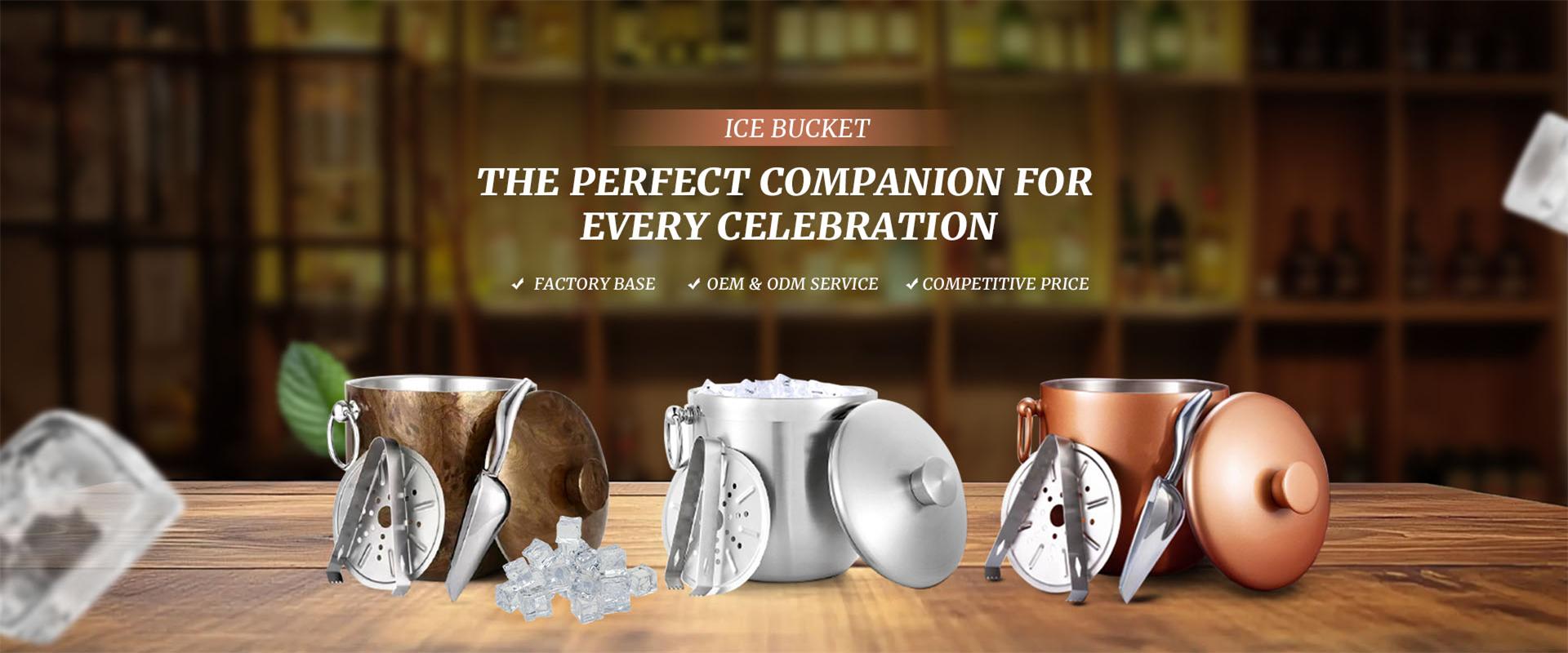
Our elegant thermal ice bucket uses a 3.0L insulated stainless steel structure. It can hold ice, canned drinks and selected bottles, although bottle dimensions and service requirements should be checked through sample testing.
Which Option Fits Each Service Setting?
A wine chiller is preferable for table-side white wine or sparkling wine service. Its open form gives guests and staff convenient bottle access.
A covered ice bucket works better behind a bar, in a hotel room or at a beverage station where clean serving ice is the priority. A combined bucket-and-bottle compartment may suit compact tables where organized presentation is more important than maximum cooling speed.
A reliable export stainless steel wine cooler supplier should not present every bucket as a universal bottle cooler. Capacity figures alone do not show whether a particular bottle fits safely or whether enough ice can surround it.
Factory and Order Considerations
For customized beverage-service products, the approved sample should establish:
Internal and external dimensions
Stainless steel specification
Surface finish
Handle and base design
Logo size and process
Packaging arrangement
Carton protection
Acceptable cosmetic standards
Our current houseware program supports OEM logos, customized packing and export-order preparation. Listed ice bucket models commonly have an MOQ of 500 pieces and a standard production time around 45 days, subject to the final configuration.
Click to browse our complete ice bucket range before selecting a base model.
Request a Wine-Cooling Product Review
A suitable cooler should match the bottle, desired serving temperature and service duration. Share your bottle dimensions, usage setting, finish, logo and required quantity with our reliable export stainless steel wine cooler supplier team. We will assess whether an existing insulated bucket or a customized beverage-cooling product better matches the program.